
Because cold paws don’t mean cold hearts… but they still need some protection.
When the Porch Ain’t Enough
Here’s the thing about Southern winters: sometimes they’re sweet and mild, sometimes they sneak up and bite harder than your aunt’s sass at Thanksgiving. And while we might be able to layer up with flannels and puffer jackets, our pups don’t exactly have the luxury of online shopping for thermal gear.
If your dog spends any time outside in colder months, dog winter cold safety isn’t just a fancy phrase… it’s a necessity. From cozy shelters to paw balm hacks, winter-proofing your pup’s outdoor space makes the difference between a tail-waggin’ good time and a miserable, shiverin’ mess.
So grab a hot toddy, and let’s winter-proof like the good dog parents we are.
The Golden Rule of Southern Winter Dog Care
If it’s too cold for you in a sweater, it’s too cold for them without protection. Dogs are tough, sure. But they’re not immune to frostbite, hypothermia, or just plain discomfort.
Don’t assume that fur coat is enough. Spoiler: it usually isn’t.
Step 1: Build Them a Proper Southern Hideaway
If your dog loves their outdoor space, give them a safe retreat from the cold.
- Insulated Dog House – Think of it like a tiny cabin. Raised off the ground, windproof walls, and just big enough for them to curl up (too big and they can’t trap heat). Here’s one from Chewy that’s reasonably priced and looks good, too.
- Weatherproof Bedding – Straw or cedar shavings work better than blankets, which soak up moisture and turn into icy rags. For luxury pups? Heated dog pads made for outdoor use.
- Draft Protection – Add a door flap or heavy-duty curtain to block wind. Even an old rug cut to size can do wonders
Step 2: Keep Water Liquid (Not Ice Sculptures)
Frozen water bowls are basically useless. Your pup needs hydration even more in cold weather, so:
- Use a low-energy, heated dog water bowl if temps dip often
- Swap water several times a day if you don’t have heated options
- Avoid metal bowls – tongues can stick (and yes, it’s as bad as it sounds)
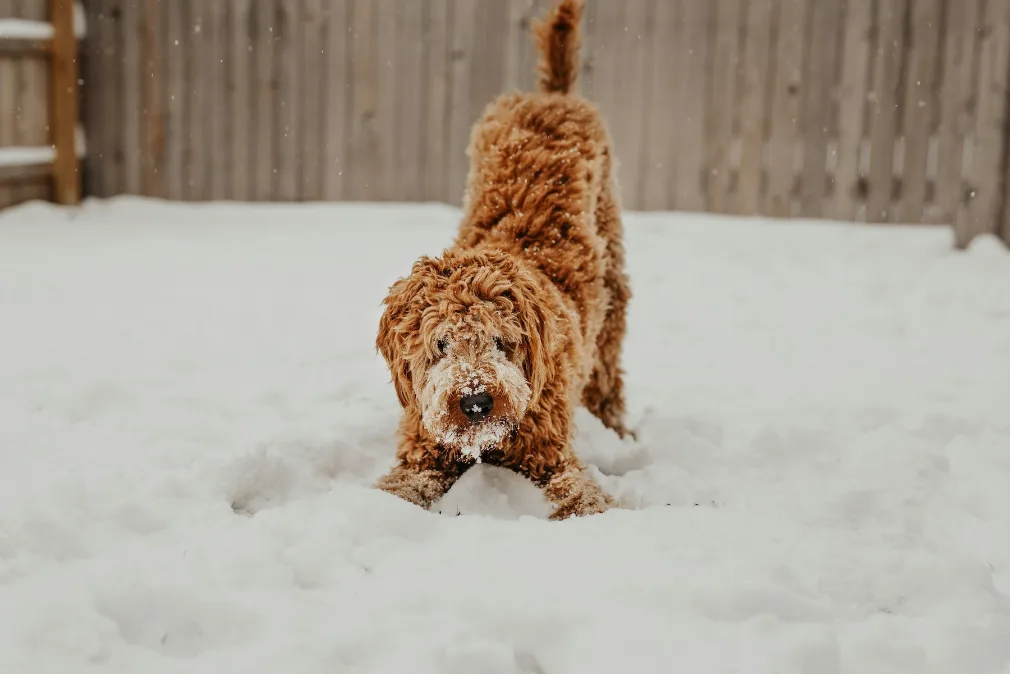
Photo Credit Brooke Cagle
Step 3: Protect Those Paws
Paws take the brunt of the cold – especially with frost, ice, or even de-icing chemicals (which can be toxic).
- Paw Balm or Wax – Keeps paw pads from cracking. Rub it on before walks or porch patrols. Our all-time favorite is Musher’s
- Booties – If your pup will tolerate them, great. If not? Back to balm.
- Towel Station – Keep a rag by the door to wipe paws and bellies when they come back inside. Muddy, salty mess avoided.
Step 4: Nutrition & Energy Boosts
Dogs burn more calories in colder temps just keeping warm. If your pup spends time outdoors, you may need to up their food intake slightly in winter.
- Add a scoop of high-protein kibble or fresh toppers
- Make warm “broth toppers” with low-sodium chicken stock poured over their meal
- Keep treats handy – energy bites aren’t just for hikers
Step 5: Mind the Time
Even the most cold-hardy breeds shouldn’t be left out for hours in freezing weather. Rotate play, potty, and porch time with plenty of indoor snuggles.
Watch for warning signs:
- Shivering
- Whining or paw-lifting
- Slowing down mid-play
- Ice clinging to fur or paws
If you see any of these, it’s time to head inside – no arguments allowed.
Step 6: Make It Cute (Because, Why Not?)
Safety first, but we’re Southern – we like things to look good too.
- Flannel bandanas for festive porch vibes
- Outdoor-safe string lights so you can watch them do zoomies in style
- A sign for the doghouse that says, “No cats allowed” (optional, but encouraged)
FAQs: Dog Winter Cold Safety
How cold is too cold for dogs?
Most dogs are uncomfortable once temps drop below 45°F, and below 32°F can be dangerous depending on breed, size, and coat type. Small or short-haired dogs feel it sooner than big, double-coated breeds.
Do dogs really need jackets?
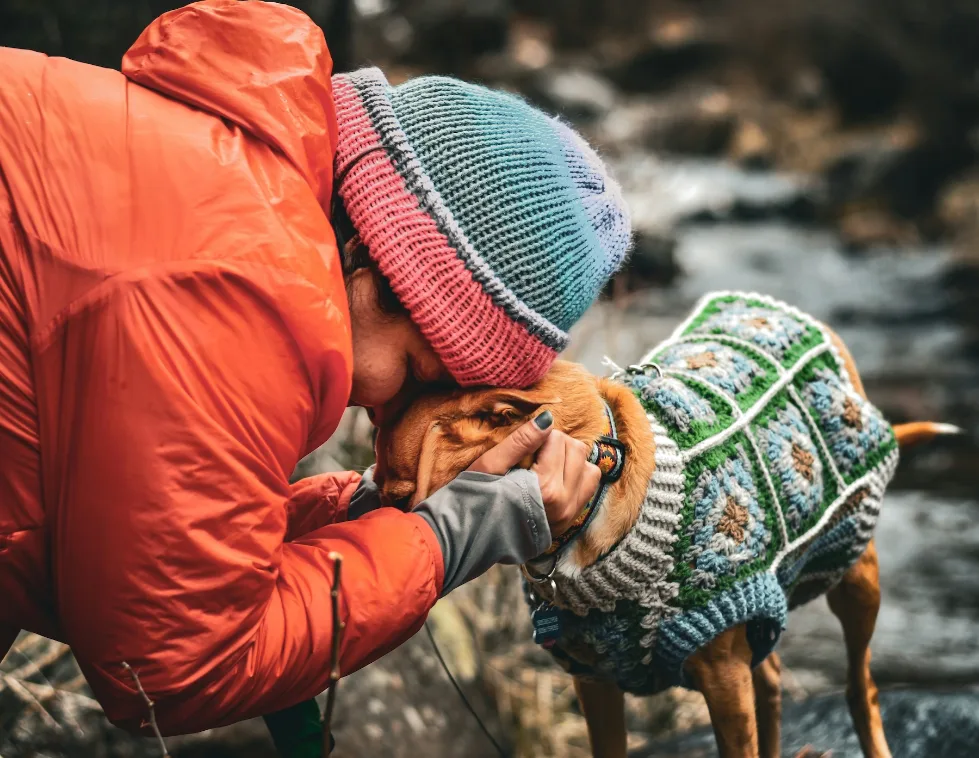
Short-haired breeds, puppies, and seniors absolutely benefit from coats or sweaters in cold weather. Huskies? Not so much—but they’ll still look darn cute.
Can dogs sleep outside in the winter?
Only if they have a properly insulated, weatherproof shelter, plenty of bedding, and above-freezing temps. Even then, short outdoor stints are safer than overnight stays.
What are the signs of hypothermia in dogs?
Shivering, lethargy, weakness, pale gums, and shallow breathing. If you notice these, get them inside and call the vet.
What’s the safest bedding for an outdoor dog house in winter?
Straw, cedar shavings, or thermal pads. Avoid blankets or towels that trap moisture.
Porch-Tested, Pup-Approved
Here’s the truth: your dog doesn’t care about “curated outdoor living spaces.” They care about being warm, safe, and close to you. Winter-proofing their outdoor space is just one more way to say: “You belong here, fur and all.”
So go on – wrap that porch in lights, stock the biscuit tin, and give your pup a cozy spot to ride out the cold. Because around here, we believe in wagging tails, warm hearts, and outdoor spaces built with love.
Want More Bark-Worthy Fun?
Check out our guides to:
- Porch Living: Designing a Dog-Friendly Outdoor Space
- Best Dog-Friendly Fall Festivals Across the South
- Bringing Southern Charm to Your Dog’s Grooming
Because whether it’s hot, humid, or icy cold, your dog deserves a Southern porch they can proudly call their own.
Meet the Author
Hey there! I’m Natalie Smith, a 24-year-old born in Crescent City, California, who now calls Bend, Oregon, home. If you’ve never been to Bend, let me tell you—it’s basically the dog capital of Oregon. I’m pretty sure dogs outnumber people here! My love for animals (especially dogs) and writing has been with me since I was a kid, and now I get to share that passion through my articles. Oh, and I just became a mom to a baby boy named Milo, which means my hands are officially full—with diapers, dog treats, and coffee! Life feels complete, and a little chaotic, but I wouldn’t have it any other way.