
Southern Dog Myths & Truths: Gators, Ticks, and Heat
If you grew up below the sweet-tea line, you’ve heard some wild dog advice. Half of it came from your grandpa who once wrangled a possum with a rake, and the other half came from someone who swears their dog can “sense ghosts better during full moons.”
Down here, dog folklore spreads faster than fire ants – and while some of it might save your pup’s life, a lot of it is just porch gossip dressed up as wisdom. And listen, we are not risking our emotional support best friend over folklore.
So grab your iced coffee, call your dog over (they’re already touching you, obviously), and let’s sort out which Southern dog myths deserve respect… and which ones need to be retired immediately.
Myth #1: “Gators won’t bother my dog if I’m close by.”
Truth: Gators do not care about your proximity, your vibe, or your curated Spotify playlist. If you’re near fresh or brackish water in gator country – especially at dawn or dusk – your dog is prey. Yes, even in the cute little retention pond behind your subdivision.
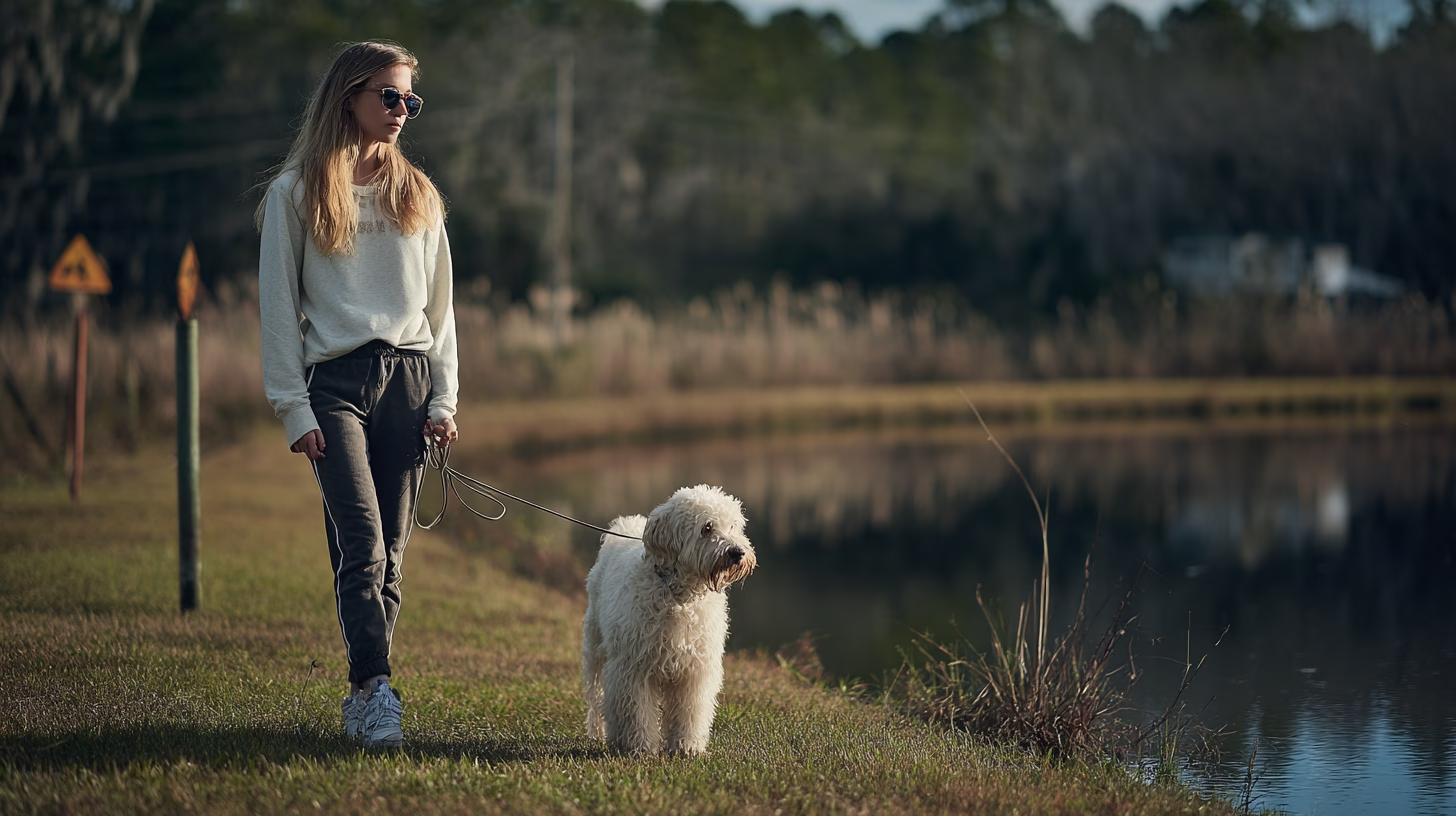
If it holds water, assume it holds a gator. Keep your pup leashed around lakes, ponds, marsh edges, and canals. No off-leash “main character energy” near swampy water.
We are not starring in a wildlife documentary.
Myth #2: “Ticks only live in deep woods.”
Truth: Ticks live wherever humidity exists and chaos is allowed. That includes your backyard, your mailbox walk, your dog park hang, and your neighbor’s yard that “just hasn’t gotten mowed yet.”
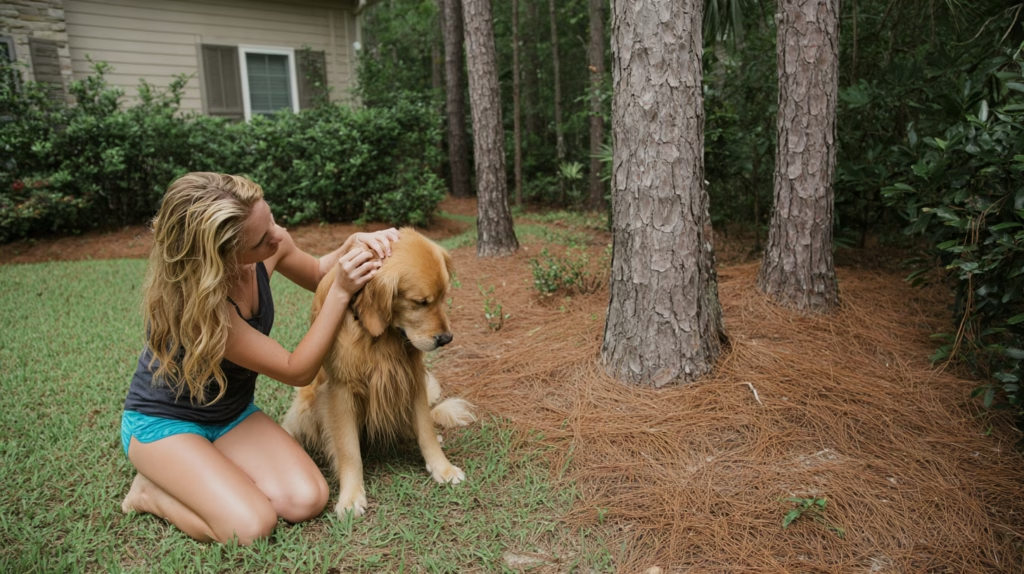
In the South, tick prevention is not seasonal — it’s year-round. Check ears, neck folds, armpits, between toes, and under collars daily during warm months.
If your dog goes outside, they are eligible. This is not optional.
Myth #3: “My dog’s used to the heat — he’ll be fine.”
Truth: No dog is heat-proof. Not even your sunbathing hound mix who insists on laying in direct sunlight like a rotisserie chicken.
Dogs do not sweat like we do. Once overheating starts, it escalates fast. Southern heat + humidity is a dangerous combo. Walk early morning or late evening only.
Test pavement with your hand — if it’s too hot for you, it’s too hot for them. Carry water everywhere. If your dog is panting heavily, lagging behind, drooling excessively, or acting “off,” you’re done for the day.
Zillennial dog moms protect hydration like it’s a Stanley drop.
Myth #4: “Snakes will avoid my dog.”
Truth: Most snakes want peace. But if your dog explodes into bushes like they’re auditioning for a hunting show, a startled snake will defend itself.
Wood piles, tall grass, leaf piles, creek banks, and under porches are high-risk areas. Even non-venomous bites require a vet visit. We are not Googling symptoms while sitting in the yard.
We are getting in the car.
Myth #5: “Feeding scraps cools them down.”
Truth: Frozen treats help temporarily, but leftover BBQ chicken wings and greasy scraps are not cooling solutions. They are gastrointestinal plot twists.
Safe cooling options include ice cubes, dog-safe frozen broth cubes, watermelon chunks (seedless), and pupsicles made for dogs. Never ribs. Never cooked bones.
We love our dogs too much to risk it.
Myth #6: “Heatstroke is obvious.”
Truth: By the time it looks dramatic, it’s already dangerous. Early signs include heavy panting, thick drool, stumbling, glazed eyes, vomiting, and sudden refusal to walk.
If you’re debating whether your dog is overheating, assume they are and cool them down gradually while heading to a vet. Trust your instinct.
You know your dog’s normal.
Myth #7: “Cracking the car windows keeps it safe.”
Truth: A cracked window in August is not ventilation — it’s a trap. Cars heat rapidly, even in shade. Even for five minutes. Even “just running into Target.”
There is no safe version of this scenario. None.
Myth #8: “Short-haired dogs don’t get hot as easily.”
Truth: Short coats do not equal heat resistance. Many short-haired breeds actually struggle more because of breathing challenges or dark fur that absorbs heat.
Shade, airflow, and water are non-negotiable for all coat types.
Myth #9: “Storms only bother dramatic dogs.”
Truth: Changes in barometric pressure, static electricity, and humidity shifts genuinely affect dogs. Some become anxious. Some get clingy. Some pace before you even hear thunder. It’s not drama. It’s biology.
Prepare comfort tools ahead of storm season.

The Real Truth
Living in the South with a dog is unmatched — magnolias, fireflies, porch swings, long golden evenings. But it also means wildlife, humidity, sudden storms, and heat that feels personal.
Being a modern Southern dog mom means loving the aesthetic and respecting the science. Myths are cute until they’re dangerous. Truth keeps your best friend safe. And safe dogs?
They grow old enough to become porch legends.
FAQ: Southern Dog Myths & Safety
How hot is too hot for dogs?
Anything above 85°F with humidity becomes risky quickly. Watch behavior more than numbers.
Can small ponds really have gators?
Yes. If water exists in the Deep South, assume a gator has considered it.
How often should I check for ticks?
Daily during warm months. After every walk in grassy areas.
Do dogs acclimate to Southern heat?
Not in a way that prevents overheating. They still need shade, water, and shorter activity windows.
Meet The Author

Beau Boyd is the Co-Founder and Managing Editor of Darling Dog. He lives in Selma, Alabama with his family and his beloved Goldie, Charlie.