

Quell the Quiet House Gloom: Helping Your Dog Adjust to Back-to-School Changes with Confidence and Comfort
Heads up: This post contains affiliate links, which means we may earn a small commission—at no extra cost to you—if you buy something through them. We only share products we love.
As families settle into new school-year routines, there’s often one family member who doesn’t understand why the house suddenly feels so empty during the day: your dog.
September marks a season of change.
With kids returning to school and parents resuming full work schedules, our canine companions can find themselves confused, anxious, or even lonely. This sudden shift can lead to behavioral issues, stress, and separation anxiety.
In this month’s Dogter’s Corner, let’s talk about how to help your pup adjust to the back-to-school season with comfort and confidence.
Understanding the Emotional Shift
Dogs thrive on routine. When their human companions suddenly disappear for long hours, it can trigger emotional responses such as:
-
Separation anxiety: whining, barking, pacing, chewing furniture
-
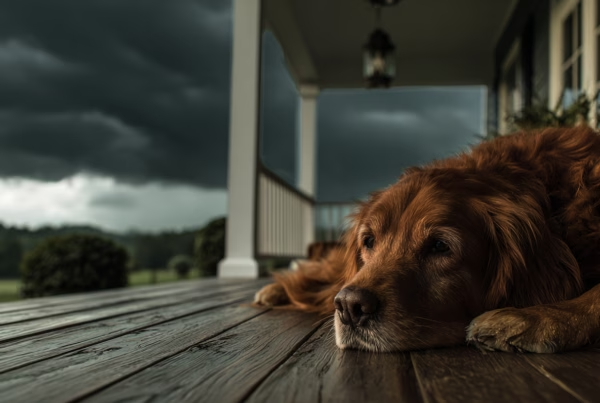
Depression-like symptoms: loss of appetite, lethargy, disinterest in play
-
Attention-seeking behavior: excessive barking or acting out when you return
Tips to Help Your Dog Cope
1. Ease Into the Routine Gradually
If possible, begin adjusting your dog’s schedule a week or two before the big change. Slowly shift feeding, walking, and play times to match your new daily rhythm.
2. Create a Soothing Departure Ritual
Keep goodbyes calm and brief. Give your dog a special treat or toy used only for when you leave – like a frozen peanut butter-filled Kong or a puzzle feeder.
3. Leave Comforting Cues
Leaving behind something that smells like you, such as a T-shirt or blanket, can provide comfort while you’re away. Background noise like a softly playing radio or dog-friendly music can also soothe anxiety.
4. Build Independent Play
Encourage your dog to enjoy solo activities by introducing interactive toys that engage their mind. This helps them become more confident and content when alone. A few recommended options:
- For your puppy or smaller dog try this independent tug-of-war toy
- For your larger pup, encourage mental stimulation and fight boredom with this hard-core independent play solution
5. Ensure Adequate Exercise
Morning walks or play sessions before everyone leaves can help reduce nervous energy. A tired dog is more likely to nap than worry!
6. Hire Help if Needed
Consider a dog walker, pet sitter, or reputable doggie daycare if your dog struggles with being alone for long stretches.
Watch for Warning Signs
Some dogs may have a harder time than others adjusting. If your dog shows any of the following signs, it may be time to seek professional help:
-
Destructive behavior
-
Excessive barking or howling
-
Loss of appetite or refusing water
-
Accidents in a house-trained dog
Your veterinarian can rule out medical issues and may recommend behavior modification strategies – or refer you to a professional trainer or veterinary behaviorist.
Reconnection is Key
When the school or work day ends, reconnect with your dog. A short walk, a snuggle session, or some playful fetch goes a long way toward reinforcing your bond and reminding your pup they’re still a cherished part of the family.
A New Season of Balance
Change is inevitable, but with patience, love, and structure, your dog can thrive even during schedule transitions. By providing reassurance and consistency, you’re teaching them that even when apart, your bond is as strong as ever.