
Bless Their Hearts - It’s a Scorcher Out There.
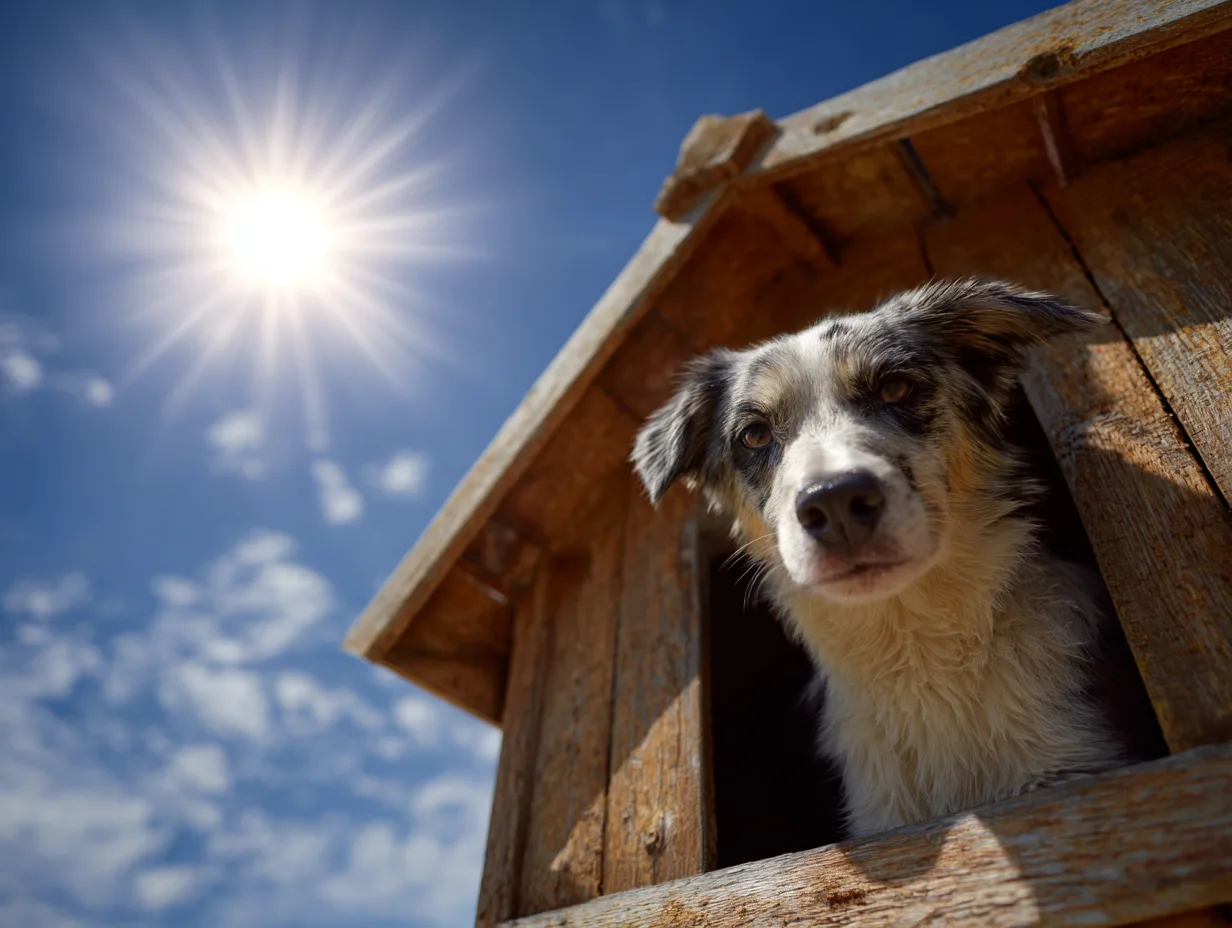
If you’ve ever stepped outside in July and felt like you were walking straight into a hair dryer, you already know: the Southern sun doesn’t play. And if you’re sweating just standing there, imagine how your poor pup feels under all that fur.
A good dog house for heat isn’t just a cute backyard accessory – it’s a necessity. Whether your hound’s on squirrel patrol or your porch pup prefers a shady retreat between naps, the right setup can keep them cool, comfy, and safe all summer long.
So grab your tools, pour a glass of sweet tea, and let’s talk about how to build a dog house that can handle Southern summer like a champ.
Step 1: Pick the Right Spot — Shade Before Anything
You can build the fanciest dog house in the county, but if it’s sitting in full sun, you might as well call it an oven.
Choose a shaded area – under a big oak, beside the porch, or where afternoon sun doesn’t hit directly.
Pro tip: Face the entrance away from the sun (and the wind). In most Southern states, that means east or northeast. It keeps the worst of the afternoon rays off your pup’s face.
If shade’s scarce, consider planting a fast-growing shrub nearby or adding a simple awning for extra cover.
Step 2: Raise It Up, Don’t Bake It Down
Ground heat radiates like a cast-iron skillet in August. To keep your pup’s home cooler, raise it at least 4–6 inches off the ground using cinder blocks, bricks, or wooden legs.
This allows air to circulate underneath, keeping the floor temperature lower and reducing moisture buildup from humidity – because moldy dog houses and muddy paws are no one’s idea of Southern charm.
Step 3: Build with the Right Materials
When it comes to heat resistance, material matters.
- Wood is the best insulator. Opt for solid cedar or treated pine (but make sure any treatments are pet-safe).
- Avoid metal or plastic. They trap heat like a greenhouse and can burn paws or noses.
- Add insulation between walls if your summers are brutal – foam boards or reflective foil work wonders when installed properly.
Think of it like a porch for your dog – solid, breathable, and made to last through every sticky, sun-soaked season.

Photo credit Jana Shnipelson
Step 4: Ventilation Is Everything
If your dog house doesn’t breathe, neither will your pup. Ventilation is the secret sauce in any dog house for heat.
- Cut small vents near the top on opposite walls for airflow.
- Leave a few inches between the roof and walls for natural ventilation.
- For extra cooling, install a hinged or propped-up roof to let heat escape during peak hours.
You’re basically creating your pup’s personal cross-breeze palace – part farmhouse, part summer spa.
Step 5: Reflect the Sun, Don’t Absorb It
We Southerners know the power of a white paint job. A light-colored roof or reflective coating can make a world of difference.
- Use white or pastel paint to reflect sunlight.
- Add an overhang or small porch roof for shade.
- Avoid dark colors – they’ll soak up more heat than a cast iron pan.
Bonus: that soft cream or sky-blue roof will look darling next to your hydrangeas.
Step 6: The Roof Matters More Than You Think
In a Southern summer, roofs aren’t just decorative – they’re survival tools.
Choose a sloped roof so rainwater runs right off instead of pooling. Add insulation or a double-layer design to keep the inside cooler, and make sure the overhang extends a few inches to block direct sunlight from the entrance.
If you’re feeling crafty, you can even create a “green roof” – a flat, reinforced surface with a few hardy plants or grass on top to naturally absorb heat. (Plus, it looks downright charming.)
Step 7: Flooring Fit for the South
If you’ve got humidity that can curl your hair, you need flooring that can handle moisture.
- Use pressure-treated wood with a washable finish.
- Avoid carpet or fabrics that trap odor and heat.
- Add a removable mat or straw bedding so you can swap it out when it gets damp.
Your goal? A cool, dry floor where your pup can sprawl belly-first when the sun hits high noon.

Step 8: Size It Right — Big Ain’t Always Better
A dog house that’s too big won’t trap cool air efficiently, and one that’s too small will feel like a sauna. Aim for a Goldilocks fit: just enough room for your dog to stand, turn, and stretch comfortably.
Measure from nose to tail and add about 6 inches for good measure. Cozy beats cavernous when it comes to keeping cool.
Step 9: Add Some Southern Finishing Touches
You know what they say – it’s all in the details. Once your structure’s built and breezy, you can add a few thoughtful extras to make it home:
- A small front porch or deck (because dogs love to people-watch too).
- A nameplate or sign – “Daisy’s Den” or “Bo’s Porch Suite.”
- A screened window for extra airflow and charm.
You’ll be the envy of the neighborhood (and so will your pup).
Step 10: Keep It Maintained Year-Round
Even the best-built dog house for heat needs a little TLC. Once a month, sweep it out, check for loose boards or leaks, and wipe down any bedding. Reapply reflective paint or sealant as needed to keep it looking sharp and staying cool.
Remember: heat, humidity, and time can wear down anything in the South – except maybe a grandmother’s willpower.
FAQ: Dog Houses for Hot Weather
What’s the coolest material for a dog house?
Wood (especially cedar) insulates best and stays naturally cooler than metal or plastic.
Where should I place my dog house in the yard?
In the shadiest spot possible, facing east or northeast to avoid afternoon sun.
Should I use fans or cooling systems?
Yes! Battery or solar-powered fans can make a big difference, but never use electric cords outdoors unless properly weatherproofed.
How do I tell if my dog’s too hot?
Watch for heavy panting, drooling, or pacing. Move them into shade immediately and offer water.
Can I paint a dog house to keep it cooler?
Absolutely. Light colors like white or cream reflect heat, while dark colors absorb it.
Final Word from the Porch
A Southern summer is no joke, but with a little planning and a lot of love, your pup can stay cooler than a glass of lemonade under a magnolia tree. Building the right dog house for heat isn’t about fancy tools – it’s about care, comfort, and good old-fashioned Southern sense.
Because around here, we don’t just build houses.
We build homes – even for the dogs who prefer theirs out back in the shade.
Suggested Read
Meet The Author

Beau Boyd is the Co-Founder and Managing Editor of Darling Dog. He lives in Selma, Alabama with his family and his beloved Goldie, Charlie.