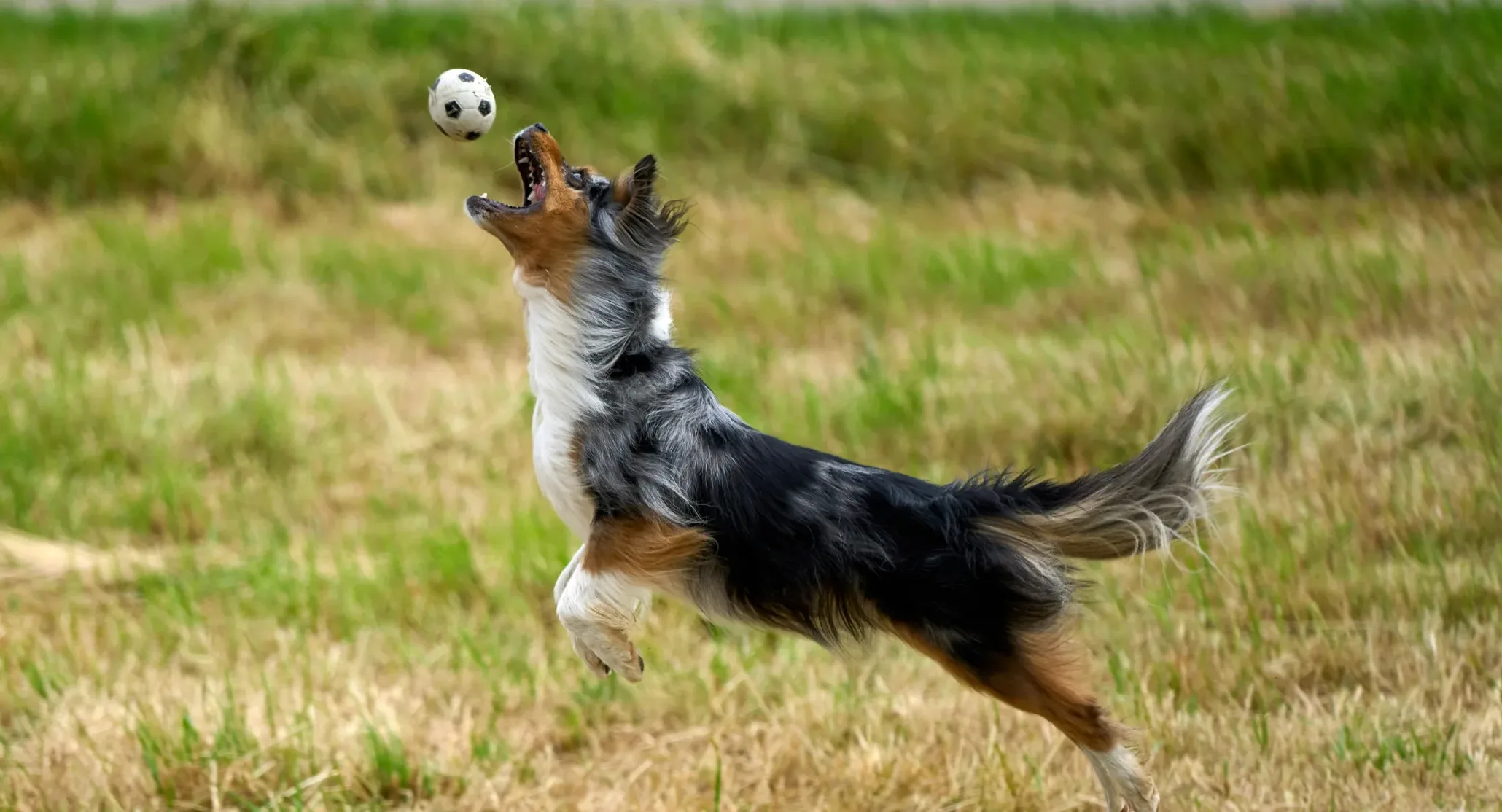

Because a porch pup can be a pro athlete with the right games.
Heads up: This post may contain affiliate links, which means we may earn a small commission—at no extra cost to you—if you buy something through them. We only share products we love.
From Fetch to Full-On Agility
There’s nothing like the unhinged joy of a dog in full zoomie mode. One minute they’re sweetly snuggled on the couch; the next, they’re tearing across the yard like they just heard the ice cream truck. Play is more than just chaos – it’s how dogs learn, bond, and burn off that sweet tea-level energy.
And here’s the kicker: all that play is the perfect foundation for dog agility training. With just a few tweaks, those tennis ball chases and tug-of-war matches can morph into obstacle courses, focus drills, and confidence-boosting games.
So grab your treats, stretch out that throwing arm, and let’s dive into the best ways to turn everyday play into tail-wagging agility.
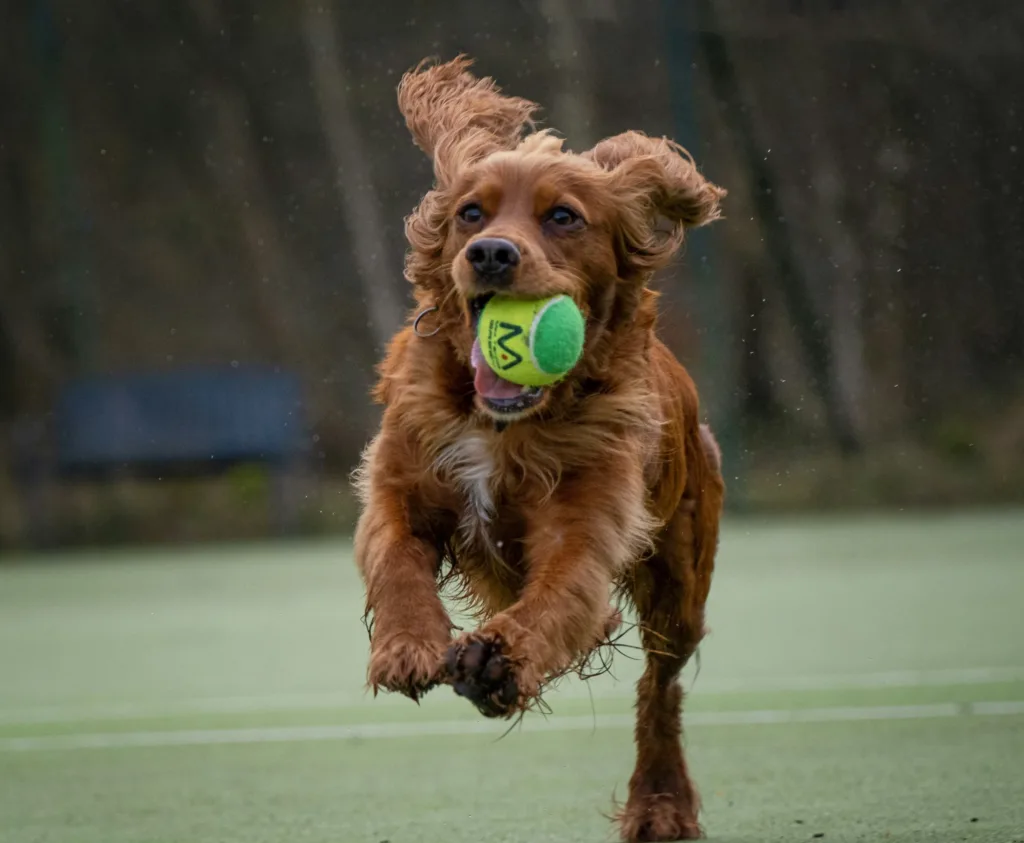
Why Dog Agility Training Works (Even If You’re Not Competing)
Agility isn’t just for fancy dogs at competitions – it’s for every pup who loves to move.
The benefits:
- Physical health: Builds muscle tone, balance, and endurance.
- Mental stimulation: Keeps boredom (and destructive chewing) at bay.
- Bonding: Nothing says teamwork like guiding your dog through a tunnel while hollering, “Go, go, go!”
- Confidence: Nervous pups often blossom when they learn new challenges.
The Classics: Fetch, Tug, and Chase (Agility Edition)
These aren’t just games – they’re agility warm-ups.
- Fetch: Teaches speed, focus, and recall. Add a “drop it” command, and you’ve got obedience training baked right in.
- Tug-of-War: Builds strength and impulse control. Toss in a “leave it” command to reinforce self-control.
- Chase: Great cardio and teaches dogs to track movement – which comes in handy for weave poles later.
Leveling Up: At-Home Agility Play
You don’t need a professional course to get started. Your backyard (or living room on rainy days) can double as a training ground.
Easy DIY ideas:
- Obstacle Course: Use chairs, broomsticks, and laundry baskets to create jumps and tunnels.
- Hallway Weave: Line up cones or water bottles and guide your pup through with a treat.
- Hide and Seek: Teaches patience (“stay”) and recall (“come find me!”).
- Treat Trails: Build scent-driven “courses” around the yard to keep their nose and brain sharp.
Bonus Southern twist: Turn a kiddie pool into a “splash tunnel” in summer. Hydration + training = genius.

Indoor Agility for Hot Southern Summers
When it’s hotter than the devil’s armpit outside, agility training moves indoors.
- Puzzle feeders double as brain workouts.
- Low jumps with cushions keep things safe and fun.
- Couch-to-chair “bridges” let your dog practice balance.
The living room might look like a mess, but your pup will be grinnin’ ear to floppy ear.
Play Styles: Which Agility Path Fits Your Dog?
- The Fetch Fanatic: Speedy sprinters who love chase games – natural jumpers.
- The Tug Titan: Strong, stubborn, and competitive. Perfect for strength drills.
- The Puzzle Prodigy: Loves mental challenges. Thrives on weave poles and tricky patterns.
- The Zoomie Zealot: Energy to burn? Channel it into tunnels and sprint drills.
Safety First (Because No One Wants a Vet Bill)
- Start slow. Build confidence before cranking up the difficulty.
- Use non-slip mats indoors to prevent wipeouts.
- Keep water handy – agility is thirsty work.
- Know when to stop: tail tuck = tired, glazed eyes = overstimulated.
Making Memories With Agility
The best part of dog agility training isn’t the ribbons or fancy titles – it’s the joy. The way your pup struts after nailing a jump. The triumphant bark when they rocket out of a tunnel. The collapse at your feet when they’ve given it their all.
Playtime turns into teamwork, and teamwork turns into Tails Worth Telling. Because at the end of the day, it’s not about perfection – it’s about partnership. Your dog doesn’t care if you’re hollerin’ the wrong command or if your makeshift jump is made out of two lawn chairs and a broom. They care that you showed up, that you laughed when they zigged instead of zagged, and that you handed over the treat like it was a gold medal.
So go ahead – set up that backyard course, cheer a little too loud, and let your pup remind you what joy looks like on four paws. Because around here, it’s not just agility. It’s family fun with a Southern twang, and it’s the kind of memory both of y’all will carry long after the course is packed away.
Check out our guides to:
FAQ: Dog Agility Training
What age can dogs start agility training?
Most pups can start foundation games as early as 8–10 months, but save the full jumps and high-impact stuff until they’re at least 12–18 months and joints are fully developed.
Can I train agility at home without equipment?
Absolutely! Use household items like chairs, broomsticks, or even cardboard boxes to set up DIY courses.
Is agility good for all breeds?
Yes. Some excel at speed (Border Collies, Aussies), others at power (Bulldogs, Shepherds), but every breed can enjoy the bonding and mental workout.
Do I need to compete?
Nope. Agility can be casual, just another way to enrich playtime. Competing is optional — the fun is not.
Meet the Author
Hey there! I’m Natalie Smith, a 24-year-old born in Crescent City, California, who now calls Bend, Oregon, home. If you’ve never been to Bend, let me tell you—it’s basically the dog capital of Oregon. I’m pretty sure dogs outnumber people here! My love for animals (especially dogs) and writing has been with me since I was a kid, and now I get to share that passion through my articles. Oh, and I just became a mom to a baby boy named Milo, which means my hands are officially full—with diapers, dog treats, and coffee! Life feels complete, and a little chaotic, but I wouldn’t have it any other way.