

“Because your pup misses you more than you think."
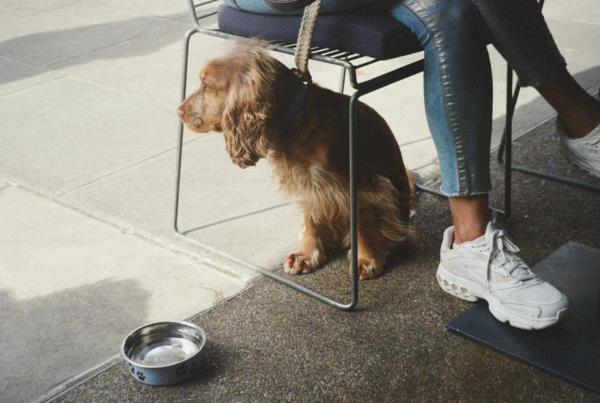
September hits, and suddenly everything shifts. The morning hustle is real, the afternoons get busier, and the dog who used to have a full-time audience now watches the door… waiting.
Whether your kids are headed back to school or your schedule’s just picking up again, dogs feel the change. And just like humans, they can get a little mopey – or downright anxious – about it.
Here’s how to help your pup adjust, feel secure, and even enjoy the new fall rhythm.
Why Do Dogs Get the “Back-to-School Blues”?
Dogs are creatures of habit, and when their routine changes – especially when it involves their favorite humans disappearing for most of the day – it can trigger:
- Separation anxiety
- Excessive barking or whining
- Pacing or destructive behavior
- Lack of appetite or energy
- Clinginess when you’re home
Even dogs who don’t seem outwardly anxious may feel unsettled by the quiet and lack of interaction during the day.
1. Ease Into a New Routine
If you know change is coming, start adjusting a week or two ahead. Dogs thrive on rhythm, so gradually shifting feeding time, as well as walk and play times, can help avoid a shock.
- Set regular times for meals, walks, and bathroom breaks.
- Practice short separations by leaving the house for brief periods during the day, even if you’re just going for a walk around the block.
- Keep departures and arrivals low-key to avoid triggering stress.
2. Build In Morning Connection Time
Even just 10–15 minutes of focused play, cuddling, or a walk in the morning can set your dog up for a calmer day.
Try:
- A short game of tug-of-war
- A breakfast walk (sniffing = natural calming)
- A morning cuddle on the couch while the kids eat cereal
It’s not about tiring them out – it’s about filling their little love tank before you go.
3. Provide Mental Stimulation While You’re Gone
When the house is quiet, boredom can creep in fast. Giving your pup interactive toys and puzzles can keep their brain busy while you’re away.
Some ideas:
- Frozen treat toys like a Kong filled with yogurt, banana, or peanut butter
- Lick mats spread with soft foods
- Puzzle toys that dispense kibble or treats
- Snuffle mats to mimic scavenging behavior
Rotate what you give them to keep it interesting!
4. Soothing Sounds Can Help
Many dogs find comfort in background noise. Leaving calm music, a white noise machine, or even a dog TV channel running can make the house feel less empty.
You can even create a “Charlie Playlist” on Spotify – just include relaxing instrumental songs or nature sounds. (Yes, some dogs do have music preferences.)
5. Create a Cozy Safe Zone
Designate a spot in the house that’s just for your dog – a comforting space where they can rest and feel safe.
Think:
- A quiet corner with a bed or crate
- A blanket that smells like you or your kids
- A favorite toy or chew
Bonus if this space gets natural sunlight – dogs love to nap in sunbeams.
6. Offer Exercise & Engagement After School
Just like kids need a snack and a brain break after school, dogs benefit from post-daytime playtime too.
When everyone gets home:
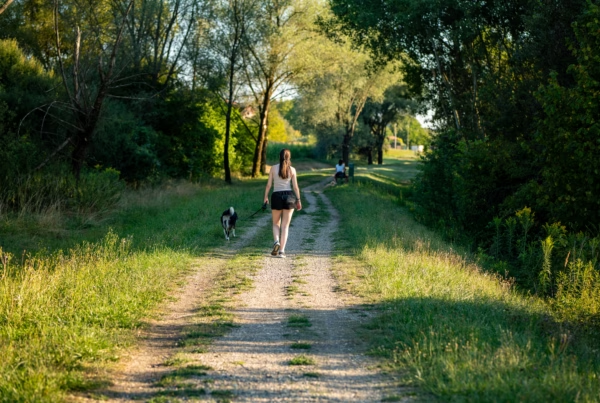
- Go for a short walk together
- Play in the yard or toss a ball
- Let the kids teach the dog a new trick
- Include your dog in family wind-down time
- These little rituals help rebuild the connection and ease any stress from the day.
7. Watch for Signs of Ongoing Anxiety
If your pup is still showing signs of stress after a few weeks, it might be time to chat with your vet or a professional trainer. They can help rule out medical causes and suggest behavior strategies or calming aids.
Back-to-school doesn’t have to be sad for your pup. With a little planning, a dash of creativity, and a whole lot of love, you can help them transition into this new season with confidence – and maybe even tail wags.