

If you’ve ever tried to train a hunting dog while he’s busy chasing butterflies, eating grass, or barking at ghosts only he can see, you already know: this is not a hobby.
This is a lifestyle. A sweaty, muddy, early-morning, boots-on, whistle-around-your-neck commitment. And if your dog’s got that spark… the one that makes your neighbor say, “Oh yeah, he’s got drive”… then you’re in the right place.
Down here, we learn from generations of folks who raised dogs that could flush birds, track deer, tree varmints, and still curl up beside the wood stove at night.
So this guide? It’s part tradition, part practical wisdom, part “heavens, please let this dog listen just ONCE.”
Let’s jump in… before your dog sees a squirrel and abandons the lesson.
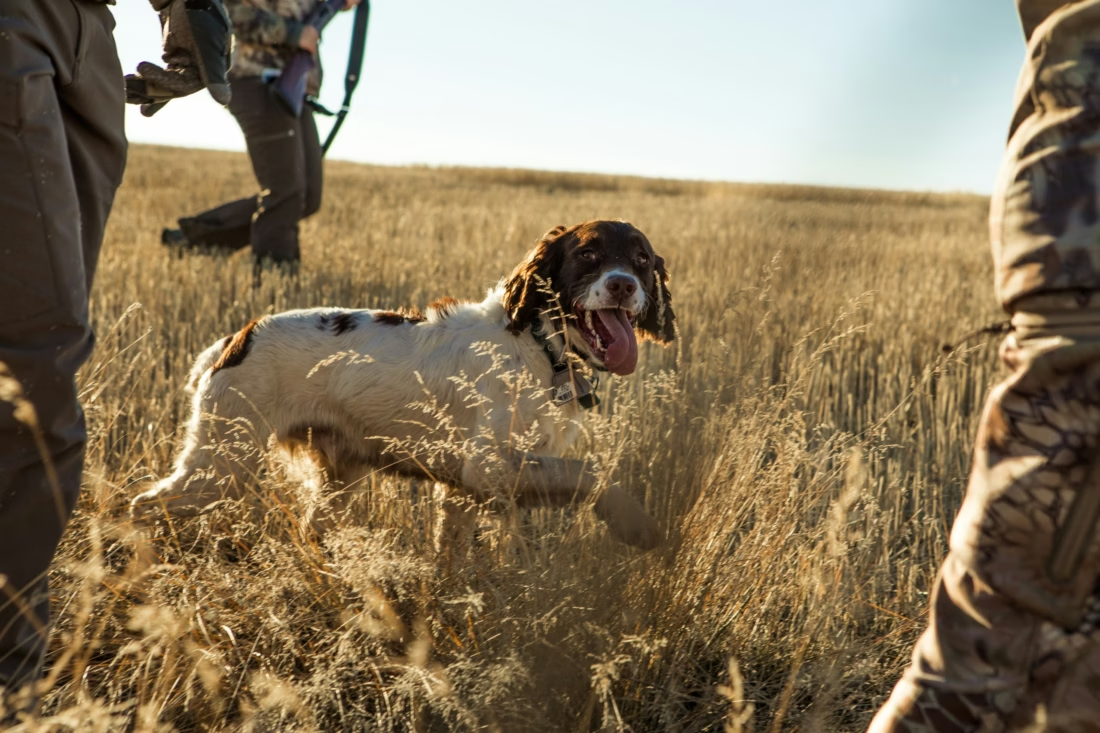
Photo Credit Josiah Ness
Start ‘Em Young — But Don’t Rush the Glory
Puppies don’t need intense drills at eight weeks old, but they do need exposure.
What to focus on early:
- Confidence-building: Walking over logs, hearing loud noises, riding in the truck bed (safely), meeting new people
- Socialization: Dogs, kids, farm animals. All of it. A confident dog becomes a courageous hunter.
- Basic obedience: Sit, come, stay. If your dog won’t come when called, they definitely won’t come when they’ve treed a raccoon
The truth is simple: the earlier you build a foundation, the easier real training becomes.
Hunting instincts live in the DNA – you just help bring them forward.
Introduce the Tools (And Yes, They Will Act Dramatic)
A working dog needs to get used to gear long before stepping into the field.
Must-introduce items:
- Long lead: Helps you guide but still gives them freedom
- Training whistle: A lifesaver when your dog is 200 yards out and ignoring your entire existence
- Bumpers or training dummies: The safest way to start retrieving work
- A field vest or harness: Some dogs act like you strapped an anvil to their soul, but they get over it
Pro tip: Make new gear feel like a game, not a punishment. Tossing a dummy into the yard and letting them feel like a superhero? That’s the magic.
Bring Out Their Natural Instinct — Don’t Force a Talent They Don’t Have
Every hunting dog shines at something, even if it’s not what you expected.
- Retrievers want to… well… retrieve
- Hounds want to track until they hit the next county
- Pointers want everyone to stop and admire their dramatic full-body freeze
- Spaniels live to flush birds like little maniacs in disguise
To train a hunting dog, you must work with their instinct, not against it. Trying to make a Beagle retrieve ducks is like trying to make your uncle give up Old Forrester – technically possible, but absolutely unnecessary.
Slow, Steady, and Repetitive: The Secret None of Us Want to Hear
Every seasoned hunter knows this: flashy training videos lie. Behind every well-trained dog is someone who repeated the same command 4,000 times without losing their sanity.
Core drills your dog needs:
- Recall: They MUST turn on a dime when called
- Hold / Drop: So the bird comes back intact, not shredded like pulled pork
- Steady to shot: They don’t bolt the moment they hear a gun
- Tracking or retrieving lines: Straight lines, consistent work, zero chaos
Celebrate the small victories. If your dog holds a bumper for two seconds without chewing it like gum? Baby, that’s progress.
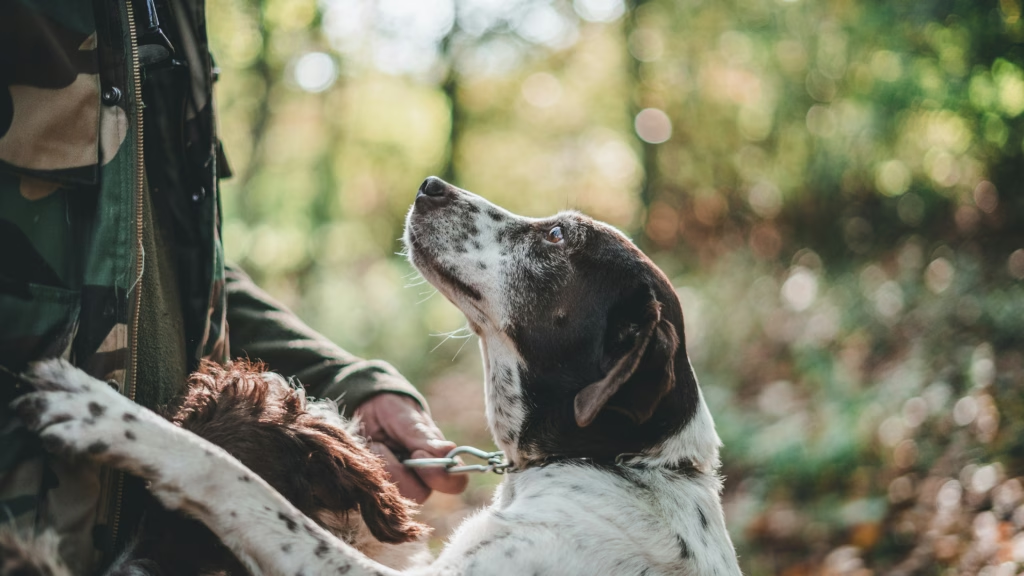
Photo Credit Andrea Carione
Introduce Gunfire Gradually (Do NOT Skip This Step)
Nothing ruins hunting potential faster than a dog who becomes gun-shy.
The right way:
- Start with far-off noise – pots and pans, claps, distant fireworks
- Move to starter pistols from a distance
- Slowly close the gap while pairing sound with fun retrieves
Your dog should associate loud booms with excitement, not trauma.
Get Them on Real Scents (The Backyard Doesn’t Count)
At some point, your dog needs to smell what they’ll actually be working with.
- Duck wings
- Scent drags
- Hide pieces
- Real feathers
- Blood trails (for tracking dogs)
A scent-trained dog becomes a reliable partner, not an overgrown toddler guessing their way through the woods.
Field Days: When Training Meets Real World
You can practice in the yard all day, but the moment your dog steps into the woods or marsh, it’s like their brain gets replaced with static. Field work teaches them what nothing else can:
- Uneven terrain
- Wild scents
- Distractions everywhere
- Working farther away from you
- Learning to problem-solve alone
This is also where your own gear comes in handy – a durable long lead, waterproof boots, a training vest – all items your future self (and your ankles) will thank you for.
Correct With Clarity — Praise Like You Mean It
Dogs respond to clear communication, not anger.
What works:
- Short, sharp corrections
- Immediate praise when they succeed
- Ending training on a win
- Keeping sessions short enough that they stay excited
A dog who believes they’re brilliant will work harder than a dog who’s scared of you.
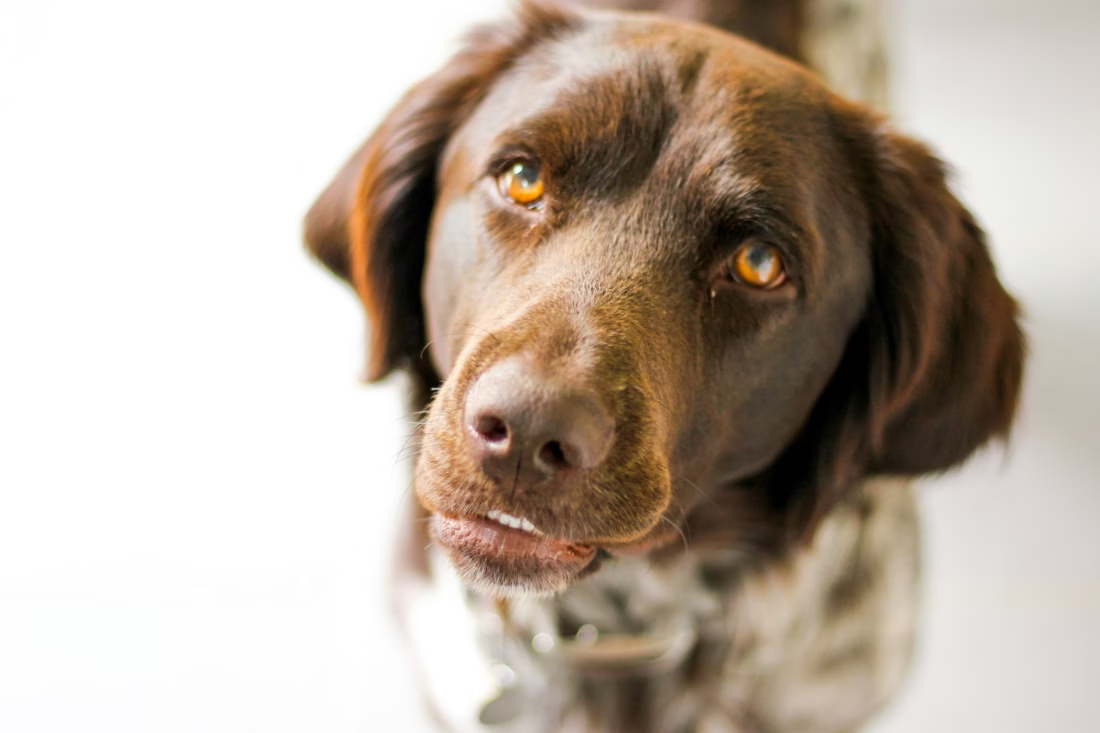
Photo Credit Lorca Wiles
Know When to Rest
A tired dog is a happy dog.
An overworked dog is a problem.
Training a hunting dog the Southern way means long mornings, long shadows, and knowing when to call it quits before frustration takes over.
Closing Thoughts: Raising a Legend
When you train a hunting dog, you’re not just creating a working partner.
You’re raising a creature who will stand beside you in the marsh mist, trot ahead of you through pine forests, curl up in the truck on the way home, and spend their nights snoring on the couch like they earned a paycheck.
It’s work. It’s joy. It’s a lifelong bond forged in mud, feathers, sweat, and pride.
And when that dog brings back their first perfect retrieve or trees their first coon? You’ll swear the sun shines a little brighter.
If you’ve got a working pup in the making, bless your heart – you’re in for something special.
FAQ: Training a Hunting Dog
When should I start training a hunting dog?
Basic training can start as early as 8–10 weeks. Field work usually begins around 6–12 months, depending on maturity.
Is it possible to train an older dog to hunt?
Yes – some dogs pick it up beautifully – but starting young creates stronger instinct development.
Do I need professional help?
If you’re brand new, a few sessions with a field trainer can save you months of frustration.
How long does it take to fully train a hunting dog?
Anywhere from 6 months to 2 years depending on breed, purpose, and your consistency.
Can any breed become a hunting dog?
Not really. Any breed can enjoy field play, but true hunting requires instinct, drive, and stamina that certain breeds naturally possess.
Suggested Reads
Meet The Author

Beau Boyd is the Co-Founder and Managing Editor of Darling Dog. He lives in Selma, Alabama with his family and his beloved Goldie, Charlie.