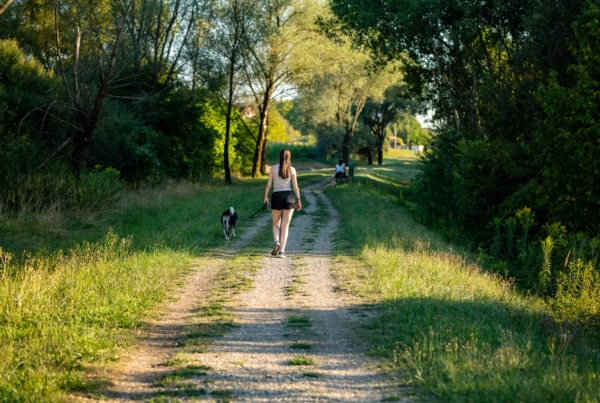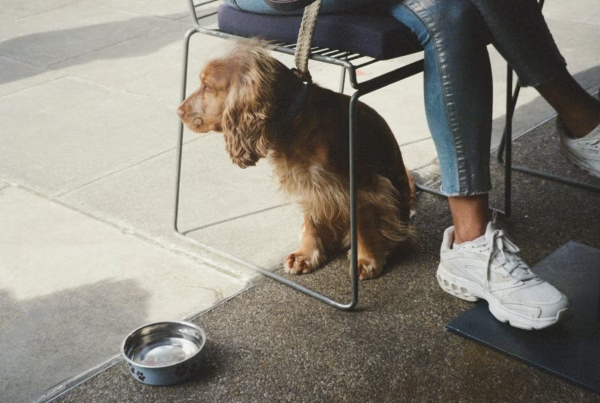


“Help your dog learn by gently introducing them to people of all shapes, sizes, ages, and voices. That includes your uncle who smells like beef jerky."
Let’s be real; some dogs strut into the world like social butterflies, ready to sniff every bush, bark at every squirrel, and befriend every dog they meet. Others? Well, they’re more like awkward freshmen on the first day of school, unsure of what to do with themselves and sticking close to your leg like it’s home base.
But no matter where your pup falls on the social spectrum, socializing your dog is one of the most important things you can do for their confidence, happiness, and overall well-being. The good news? It’s never too early, or too late, to start.
So grab your leash, a handful of treats, and your most encouraging “You got this, buddy!” voice. We’re diving into the wonderfully sniff-filled world of dog socialization tips that’ll help your pup feel confident in every new situation they face.
-
Start Small And Go Slow
Socializing your dog doesn’t mean throwing them into the middle of a crowded dog park and yelling, “Make friends!” In fact, that’s kind of like forcing a shy kid to give a speech at a birthday party—not helpful.
Start with quiet, controlled environments. Introduce your dog to one new person, dog, or place at a time. Let them take the lead (literally and emotionally). The goal is to make each new experience positive, not overwhelming.
Pro tip: Short and sweet is the name of the game. Five minutes of a good experience is way better than 30 minutes of sensory overload.
-
Expose Them To Different People
Dogs don’t automatically know that tall people in hats or kids with sticky fingers are safe. Help your dog learn by gently introducing them to people of all shapes, sizes, ages, and voices. That includes:
- People with sunglasses
- Kids on bikes
- Joggers
- People in wheelchairs or using walkers
- Your uncle who smells like beef jerky
Each person is a new opportunity for learning. Just remember to let your dog approach them when they’re ready—no forced cuddles allowed.
-
Meet Other Dogs (But Choose Wisely)
Not every dog is a good match for yours, and that’s okay! Just like us, dogs have personalities and preferences.
Start with one calm, friendly dog at a time in a neutral space. Let them sniff, observe, and interact on their own terms. Keep leashes loose and tension low. If both dogs are vibing, let them have a little playtime. If one looks overwhelmed, it’s totally fine to take a break.
Doggy daycare and puppy classes can also be great – but make sure they’re run by professionals who understand dog body language and group dynamics.
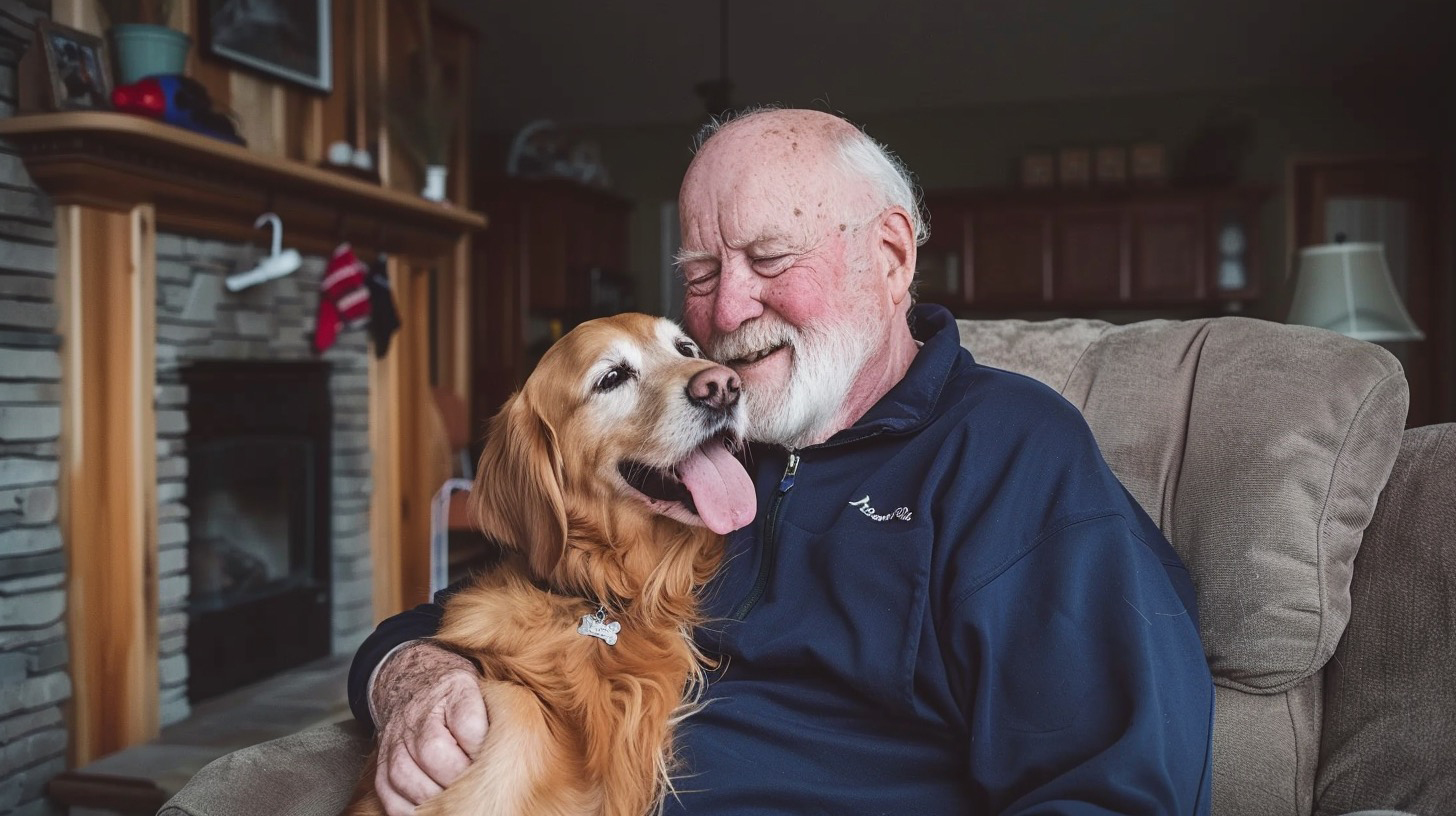
mmmmmmm, this guy smells goooood!
- Practice In Different Environments
Your dog’s confidence builds when they experience new environments without stress. Think: elevators, car rides, busy sidewalks, coffee shops with outdoor seating, hardware stores (yep, many are dog-friendly!).
Introduce these places gradually, and always bring high-value treats and a calm voice. Even just sitting on a bench together and people-watching can be a great training opportunity.
Bonus points if you make it a game: How many new smells can your dog investigate without losing their cool?
- Reward Brave Behavior
Anytime your dog does something confident—like walking calmly past another dog, sniffing a new person, or sitting quietly while a skateboard rolls by—celebrate it like they just won Best in Show.
That might mean a treat, a happy “Yes!”, or a belly rub if that’s their jam. Reinforcing the good stuff helps build trust and encourages them to explore even more.
- Watch For Stress Signals
Your dog will tell you if something is too much—they just use body language instead of words. Look for signs like:
- Tucked tail
- Lip licking
- Yawning
- Avoiding eye contact
- Raised hackles
- Panting when they haven’t exercised
If you see any of these, give your dog space and reassurance. Take a step back and try again later or in a quieter setting.
Remember, confidence is built, not forced.
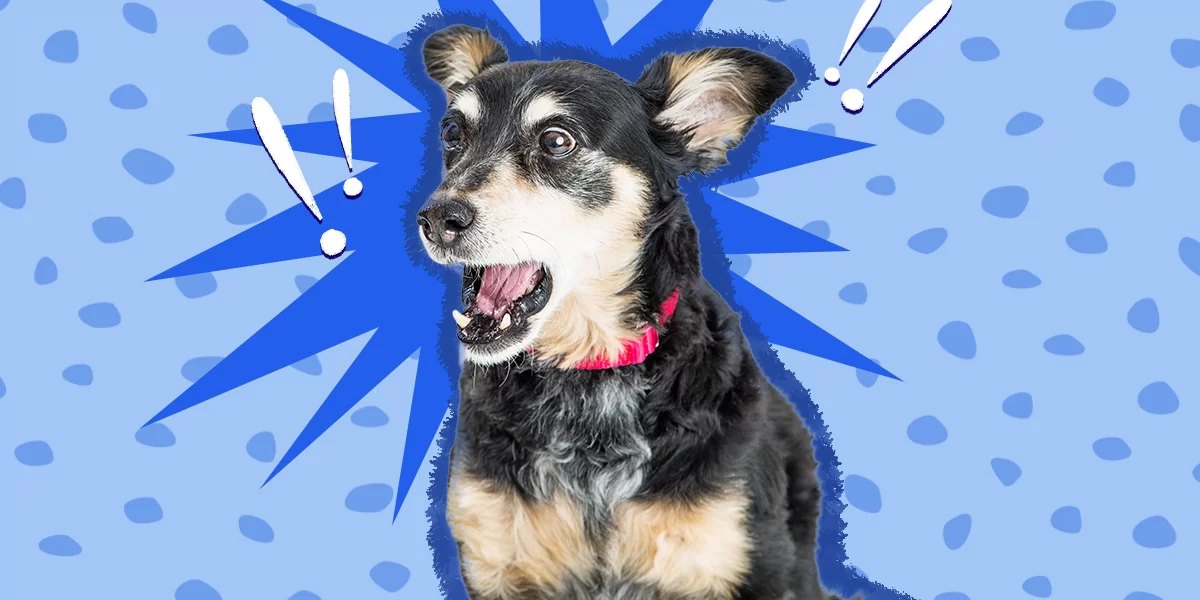
- Keep It Consistent
Socializing isn’t a one-and-done task. It’s more like brushing your teeth—you’ve got to keep at it. Incorporate new experiences into your regular routine. Even just walking a different route or saying hi to a friendly neighbor can help keep your dog’s social skills sharp.
And hey, it keeps things interesting for you, too.
- Don’t Forget To Have Fun!
Socialization should be a positive adventure, not a chore. Your dog feeds off your energy—if you’re relaxed and excited, they’re more likely to be, too.
So laugh at the silly moments, cheer them on when they’re brave, and don’t be afraid to hit the pause button if something’s too much. You and your dog are a team, and every experience is a building block in your relationship.
Whether your dog is a confident explorer or a cautious observer, socialization is the secret sauce that helps them grow into a well-adjusted companion. By taking things slow, reinforcing bravery, and tuning into their body language, you’re giving your pup the tools they need to navigate the world with wagging tails and open hearts.
So here’s to new friends, new smells, and new adventures—your dog’s next confidence boost is just around the corner.