
This post may contain affiliate links, which means we may earn a small commission—at no extra cost to you—if you buy something through them. We only share products we love.

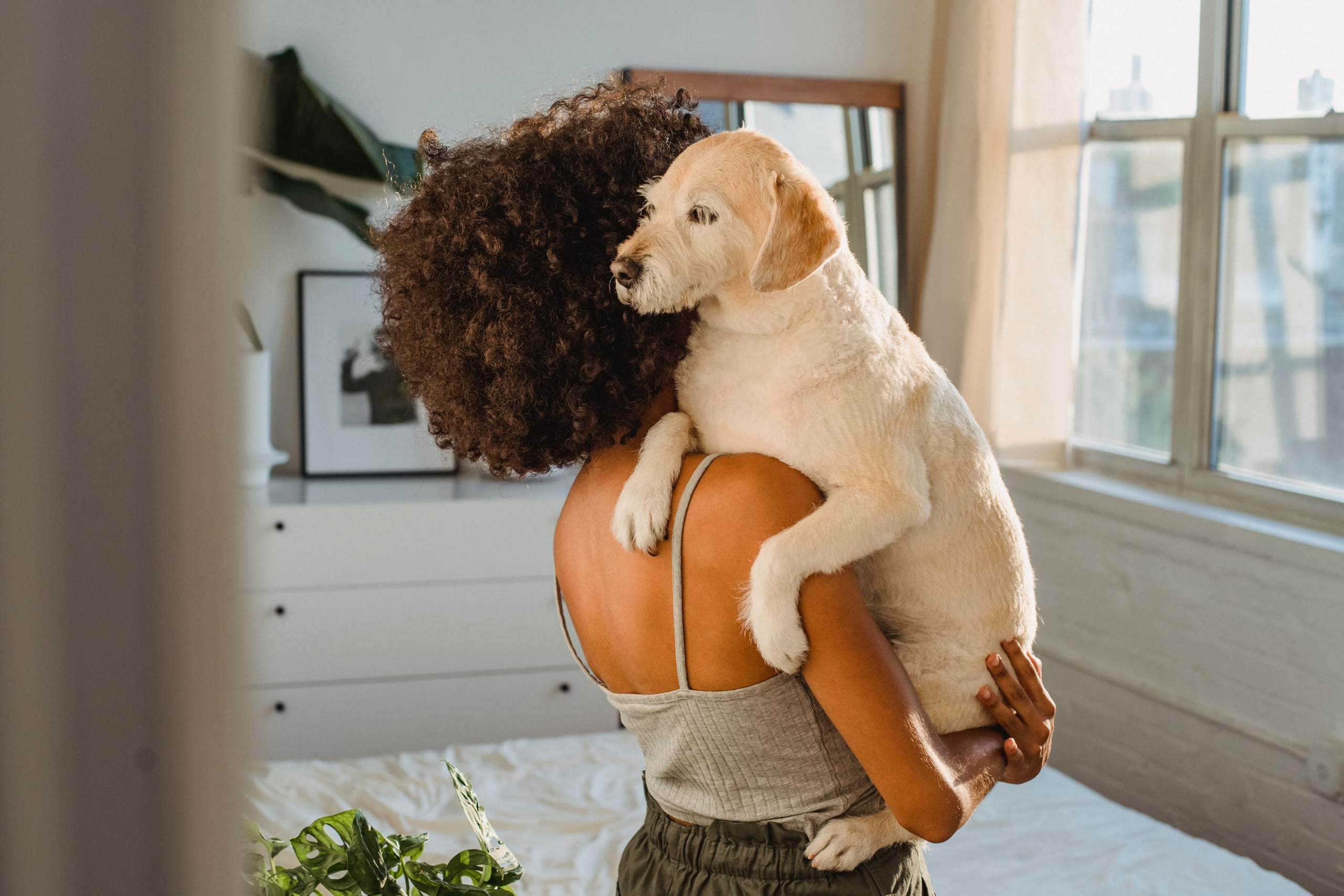
You stand up from the couch.
Grab your phone. He’s already on his feet, ready to follow you from room to room.
Cooking dinner? He’s there. Running a load of laundry? Paws up front and center for the wash cycle. Bathroom? He’s harrumphing from the door because you had the audacity to close it. (Because really, how dare you.)
If it’s ever crossed your mind, “Why is my dog so clingy?”, you’re in good company. Here’s what’s going on, when to get a second opinion, and ideas for buying yourself a few minutes of alone time.
Your Dog Speaks Fluent Snuggle… Here’s How to Keep It Calming!
Why Is My Dog So Clingy?
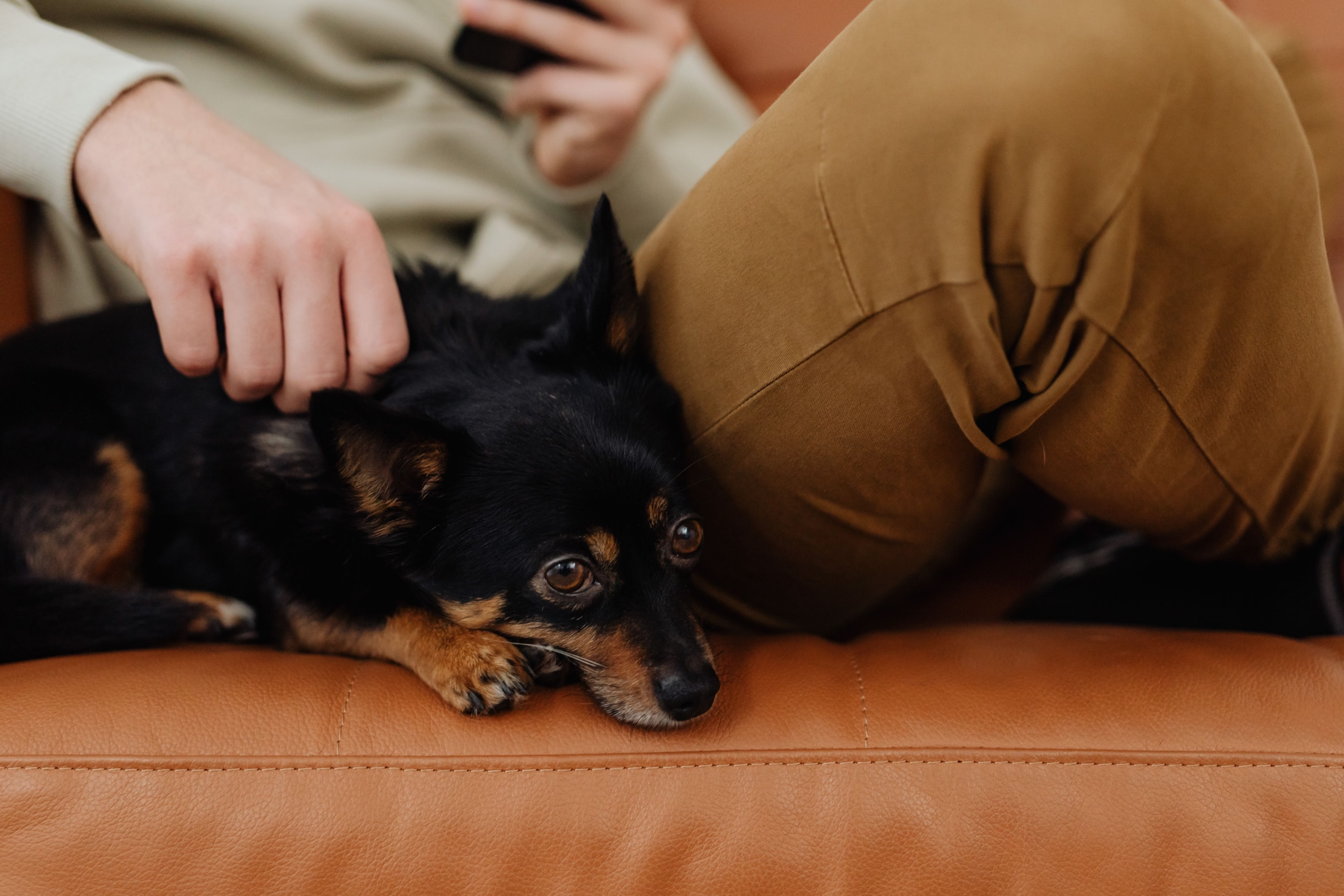
Dogs are like us. They’re not a one-size-fits-all when it comes to temperament or needs. There could be a very normal reason they’ve appointed themselves your shadow.
It might be their breed
Your Shiba Inu may find the best afternoon is spent alone, drooling and dreaming over his latest bone. A Cavalier’s idea of heaven is in your lap, with a front row seat to whatever you’re doing, bathroom included
If we look at dogs and how they were bred, we should consider that many breeds were perfected to be by a person’s side all day long. Breeds like Labradors, Italian Greyhounds, and more.
Dogs also have attachment styles
Breed is a starting point, not a verdict. Dogs can grow up in the same house and end up with different preferences. One may prefer to be your shadow, and another suns themselves on the patio every chance they get.
Life changes can turn up the needs
Dogs also appreciate routines, and when they change, it can throw them for a loop and cause more clinginess. A new baby. A move. Losing another pet. Even much smaller changes can throw them off.
Or a common one in recent years: working from home for months and then having to go back to the office. He got used to you being there, and now he’s making sure you’re coming back.
Just Velcro, or Worth a Convo at the Vet?
Most pups are just incredibly devoted. Still, it might helps to know the difference between a dog that just really, really loves you and a dog who’s struggling.
Probably just love and devotion: He follows you from room to room, settles easily, and naps independently in other rooms, all without noticeable anxiety or stress. When you leave the house, your dog definitely notices and watches you leave, but doesn’t bark, whine, or cry for long periods.
Worth talking to the vet about: Some dogs struggle with separation anxiety. This can look like stress, jitters, or other visible signs of anxiety that never seem to settle unless he’s glued to your side. He barks, growls, or whines when you leave and keeps going after you’re gone. He may have accidents indoors, scratch at doors or furniture, or may avoid eating until you’re back. These are signs of distress, not doggy devotion, and are likely worth a checkup.
Other things to watch out for
If your dog changes overnight, going from an independent guy to a stage-5 clinger,, there may be something going on. Sudden clinginess can be an indicator that he’s hurting or feeling stress about something physical, or he’s just not feeling right, and it’s worth a check.
It’s also common to see these changes in senior dogs, who may have issues with their vision or hearing
How to Find a Little “Me Time”
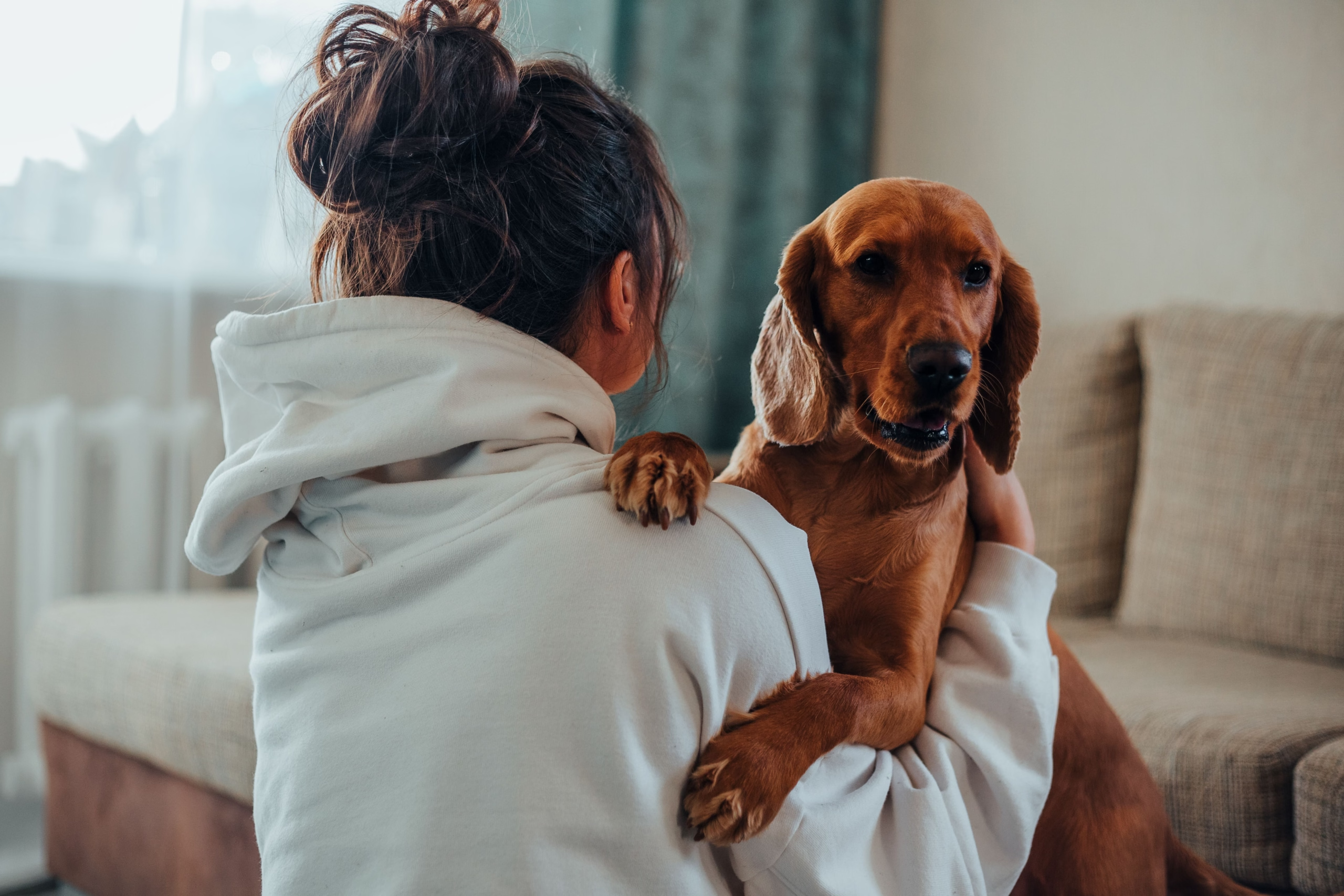
You don’t need to buy a $59 training program, but a few small habits can help you get a little me time while teaching your sweetheart that a few minutes apart is no big deal.
- Build a cozy spot (he won’t want to leave). Warm blankets, soft pillows, and all the toys he could want. Put a cozy bed in the room where you spend the most time, so he can keep his eyes on you, but doesn’t always feel the need to follow you from room to room.
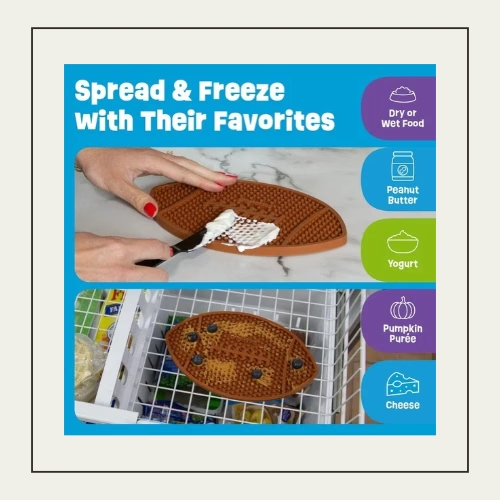
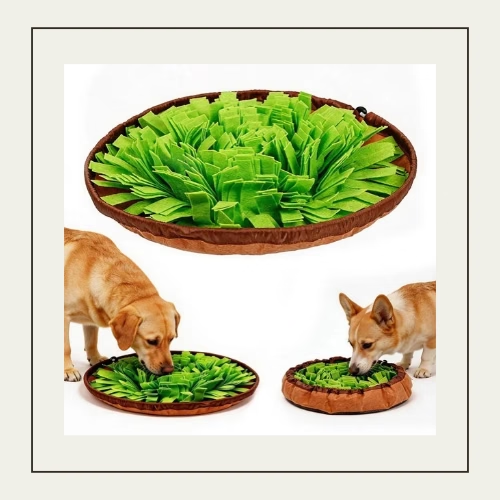
- Give him a job when you leave. Offer a lick mat with peanut butter or an interactive mat with treats if you want to buy yourself some time. Give it to him before you leave the room so he connects you leaving the room with a fun treat.
- Keep goodbyes and hellos boring. Calmly say goodbye (or hello) with muted emotions, rather than sharing the full-on sorrow you feel when leaving or the high-octane happiness you feel when you get back home. Keeping it casual helps your pup stay regulated.
- Practice saying goodbye. We all need a bit of practice from time to time, and the same is true for your dog. If leaving stresses them out, practice with low-stakes absences. Say goodbye, walk to the other room, and close the door. Then return before he feels stressed. Do this over a few days and (fingers crossed) watch him improve.
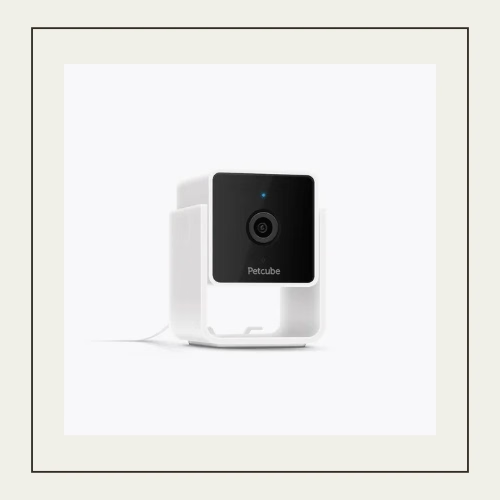
If you ever feel stress about leaving your dog home alone (or escaping for more than a few minutes of me time), a pet camera can go a long way in soothing that anxiety.
You know your dog best, though, so practice new routines or use items you think will keep them engaged.
Sometimes Velcro is a Good Thing
Your pup doesn’t stay glued to your side because he’s difficult. He does it because he loves you, you’re really, really fun, and he thinks the best place in the world is by your side.
But we get it, some days, that’s just a whole lotta dog. If anything ever feels off, don’t hesitate to bring it up with your vet. So go ahead and hop in the shower solo, and he’ll be waiting at the door for you when you’re done.
Meet The Author
Marissa Wright is a writer who loves to travel, but her favorite part of any trip is meeting the local dogs. (Monuments are nice, but they’re no match for a wet snoot and slobbery kisses.)She regularly contributes to beauty, wellness, travel, lifestyle, and e-commerce publications as an SEO writer. She believes writing is the best way to share what she learns with others, especially when you’re up late at night Googling whether your dog can eat too much peanut butter.