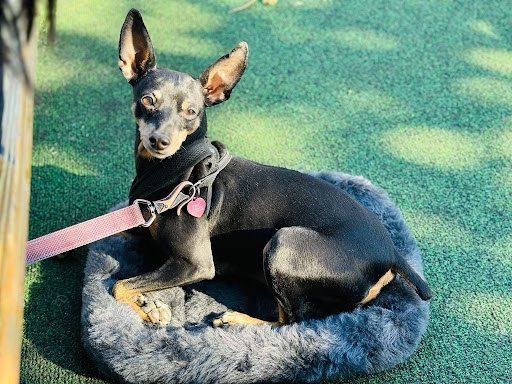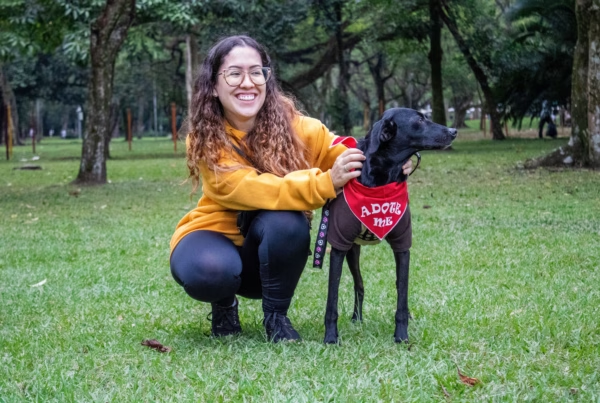
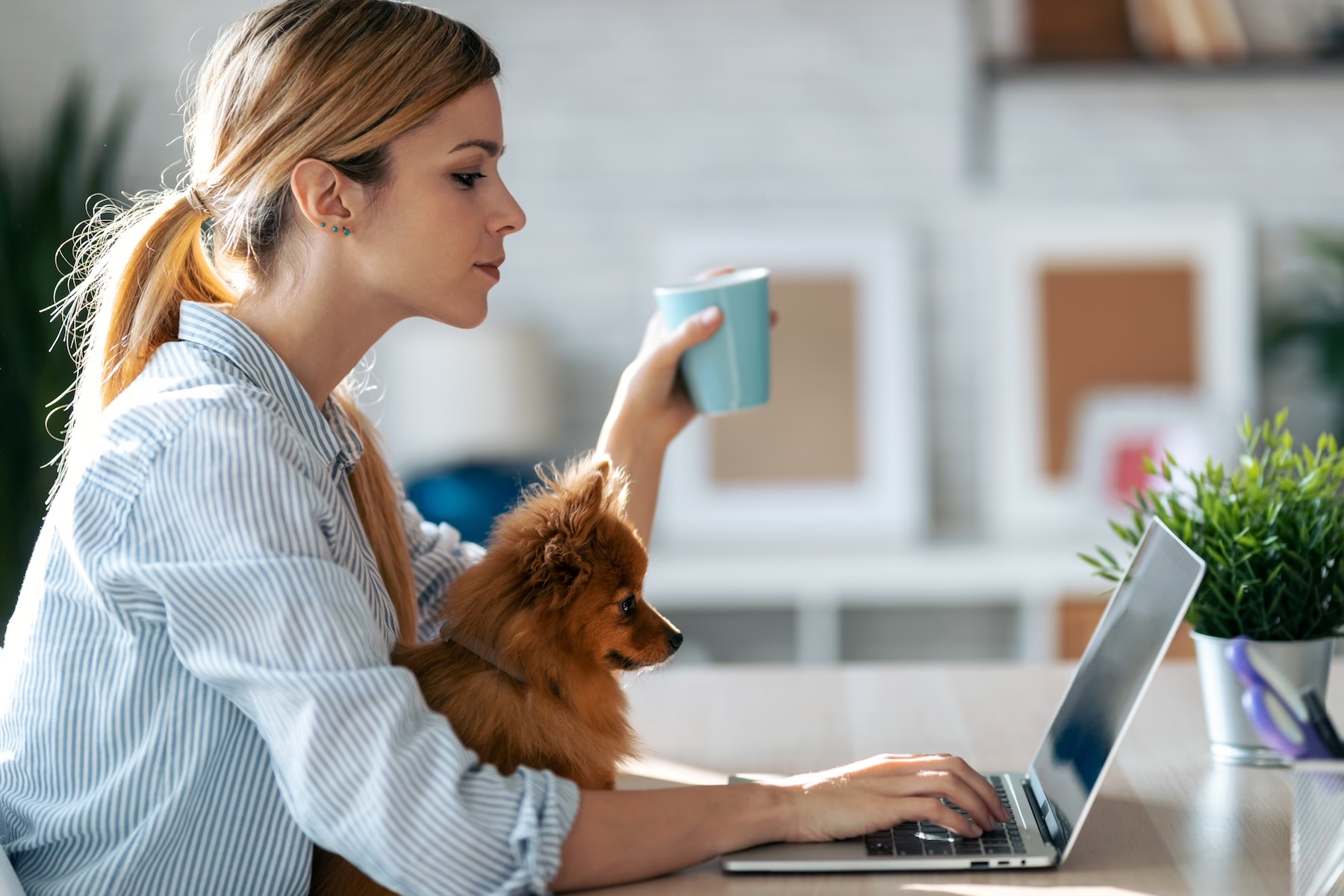

I’ve worked from home for a long time—well before COVID made it the norm—and I’ve gone through three different dogs in that span.

1) A “busy” station (so your dog has a job during meetings)
If your dog’s default setting is “monitor Mom,” give them something that lasts longer than 45 seconds.
What helps:
-
lick mat (freezer-friendly) like this one
-
stuffed toy you can refill
-
super cute snuffle mat for meals/treats
-
a long-lasting chew you trust – I have never found one that my dogs won’t tear through in minutes… pls let me know if you have!
Why it works: it reroutes the “I need you” energy into something quiet and focused.
WFH tip: keep one item as “meeting-only.” When it only appears right before calls, it stays special.
2) A sound buffer (because they’re not imagining the outside world)
Your dog is reacting to real things: the neighbor’s door, the delivery drop, the lawn guy, the mystery sound three streets over.
What helps:
-
a small white noise machine near the front of the house (aside – my absolute favorite for ME is Hatch Restore because it wakes me up slowly with a sunrise and calming music… I’m not buying another Hatch for the dog, as much as I love them! Something much less expensive like this one works great)
-
a fan you already own
-
low-volume background sound during peak “outside activity” hours
Why it works: fewer triggers = fewer reactions = fewer spirals.
3) Teach a “Place” cue (because “stop barking” isn’t a system)
If WFH life has a nemesis, it’s the doorbell, the knock, the Amazon drop—anything that turns your dog into a spokesperson.
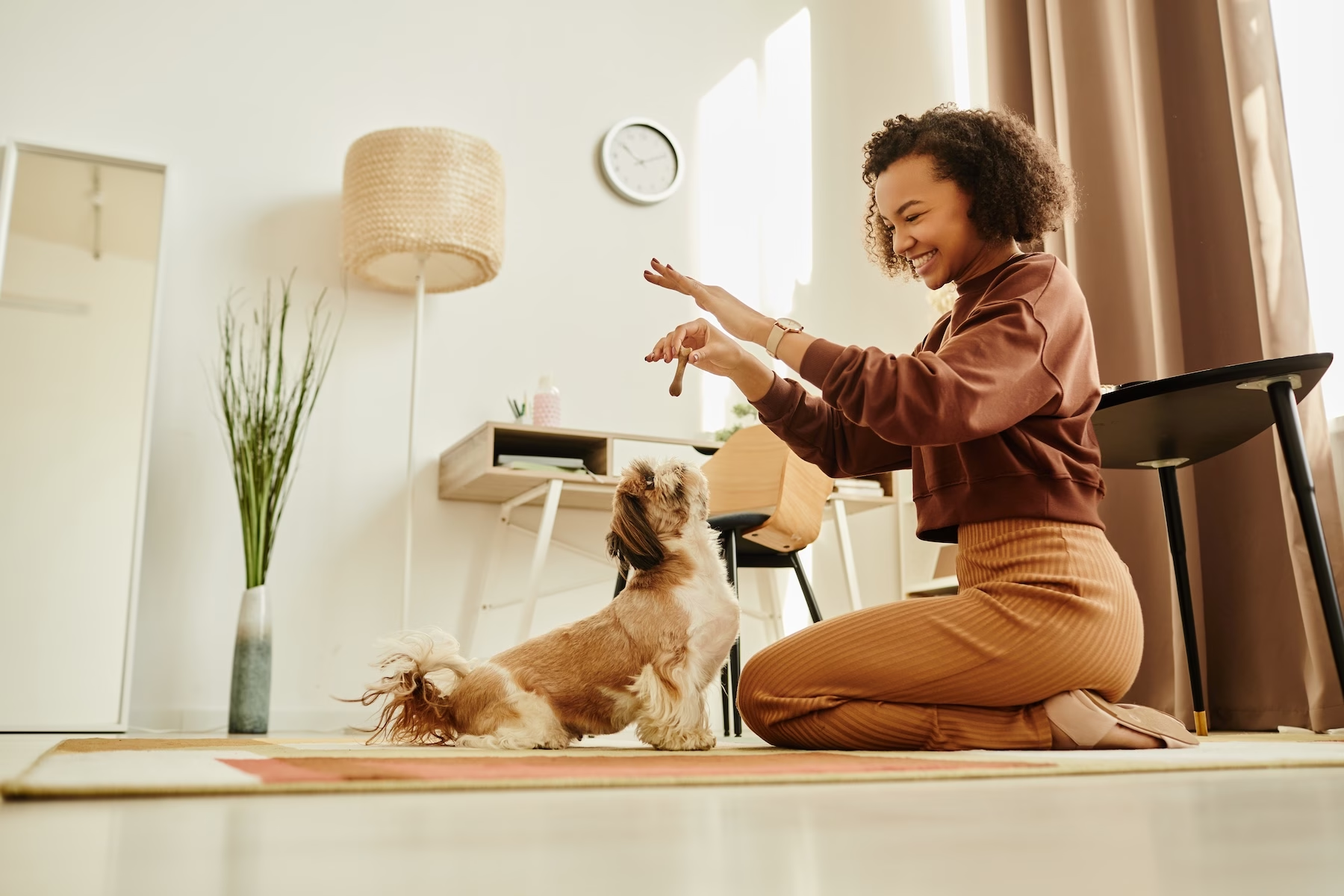
“Place” is the fix that doesn’t require you to be louder than your dog. It gives them a clear job: go to your spot, stay there, get paid.
What you need
-
one dedicated “spot” (bed, mat, folded blanket) in a consistent location
-
high-value, small treats
-
a treat jar right by the front door (this matters)
Step 1: Make the spot profitable (2 minutes)
-
Put the mat down.
-
The moment they step on it: “yes” (or a click) + treat.
-
Toss a treat off the mat so they step away.
-
Repeat until they’re choosing the mat fast.
Step 2: Add the word
-
As they move toward the mat, say “Place” once.
-
Mark + treat when all four paws are on.
Step 3: Build “stay” without making it a standoff
-
Feed 3–5 treats in a row while they’re on the mat.
-
Pause one second. Treat.
-
Pause two seconds. Treat.
-
If they get up: no drama—guide back, restart shorter.
Step 4: Add “real life” in tiny steps
You’re training a pattern. Keep it easy at first:
-
you walk toward the door
-
you touch the handle
-
you open/close it
-
you knock lightly from inside
-
you play a doorbell sound quietly
-
you do it for real
Step 5: The delivery-driver version
-
Treat jar by the door.
-
First sound you hear: “Place.”
-
Toss treats onto the mat before you grab the package.
-
You’re paying them to ignore the chaos.
Step 6: The guest version
-
Before you open the door: “Place.”
-
Treat on the mat while the guest enters.
-
If needed, use a baby gate as training wheels until it sticks.
Troubleshooting (because dogs are dogs):
-
Breaking Place every time? Your treats aren’t good enough or you leveled up too fast. Make it easier, pay better.
-
Sprinting to the door anyway? Start earlier (at the first sound) and practice when nothing’s happening.
-
Anxiety shows up? Keep sessions short, upbeat, and end on wins. Place should feel calming—not like a punishment.
WFH win: when Place is working, your dog stops rehearsing “door = emergency” all day. Everything gets quieter.
4) A rotation basket (so toys feel new without buying new)
A lot of “clingy” behavior is boredom with excellent PR.
If every toy is out all the time, nothing is interesting. A rotation basket makes your dog feel like their stuff has returned from a long journey.
What you need
-
a basket/bin
-
6–10 toys/chews total (start with what you have)
How it works
-
keep 2–3 toys out at a time
-
put the rest away
-
swap every 2–3 days
Make it WFH-proof
-
a “quiet” set: lick mat, chew, snuffle
-
an “active” set: tug, ball, squeaker (for outside calls)
-
a “5-minute reset” toy for right before your next meeting
Pro tip: keep one “meeting-only” item hidden and bring it out only when you need silence. Novelty does heavy lifting.
5) A mat + towel station by the door (so you’re not cleaning the same mess all day)
When you’re home all day, it’s not “one muddy entry.” It’s the same paws returning from the same yard six times.
What helps:
-
absorbent mat inside
-
towel in a bin
-
wipes for quick paws (if needed)
Why it works: it reduces the drip-trail problem before it becomes a whole-house problem.
6) A cleaner setup that actually handles dog life
What helps:
-
enzyme cleaner for accidents (the only thing that truly helps and I swear by this one)
-
washable throw for the couch
-
lint roller in multiple rooms (you’re not extra; you’re prepared)
Why it works: when your space feels cleaner, you’re less irritable. And you don’t look around you and think you’ve accomplished nothing all day. That counts for something.
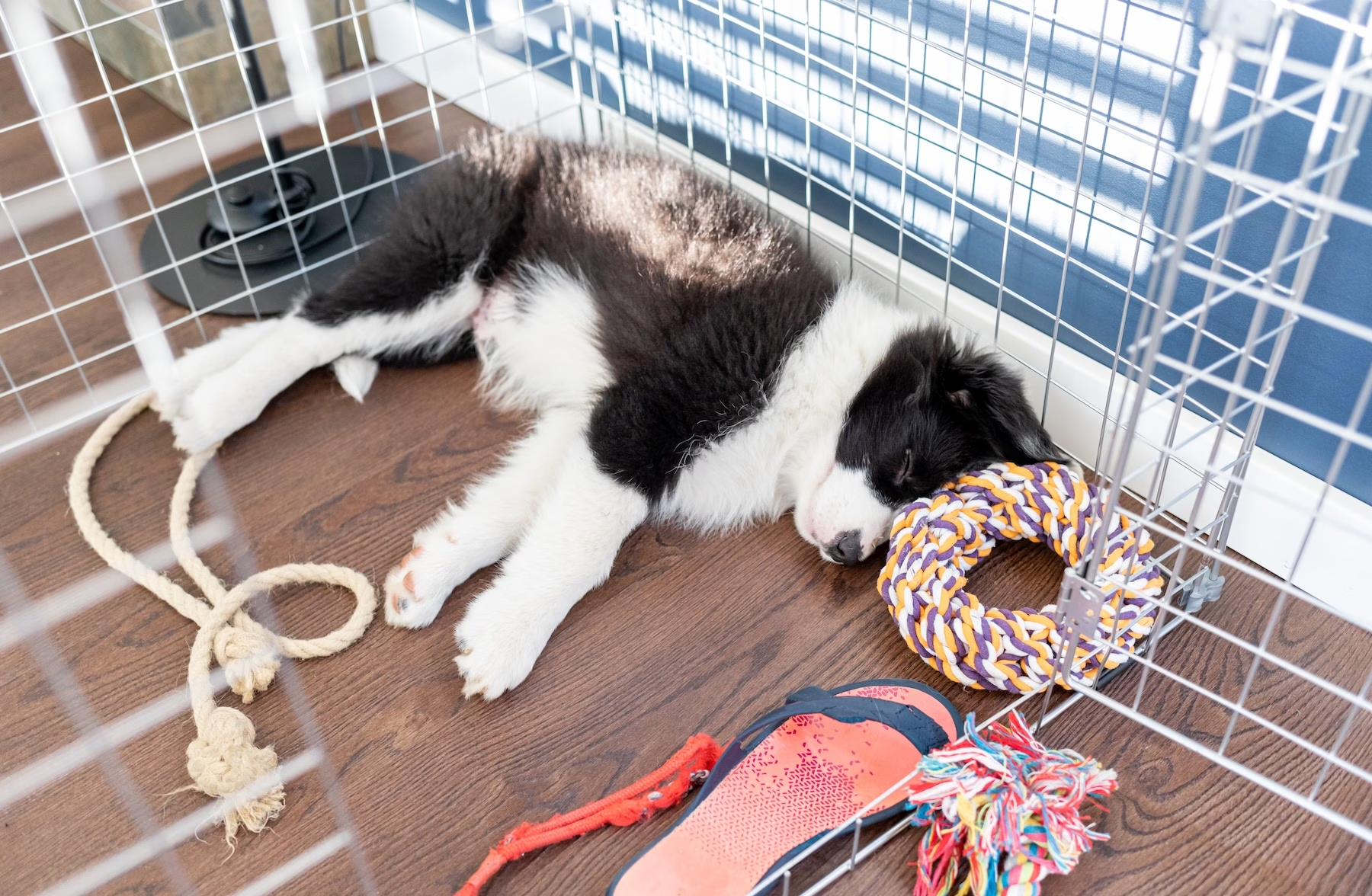
7) A “safe confinement” option (for focus without guilt)
This isn’t about “locking them up.” It’s about giving them a predictable place to settle.
Options:
-
crate (if already crate-trained)
-
playpen
-
gated-off room with bed + water + busy item
-
a consistent “nap window”
Why it works: boundaries help dogs relax. And they help you work like a person.
8) A midday reset ritual (because things start turning chaotic around mid-afternoon)
WFH days blur. Dogs start acting restless because the day has no shape.
Pick one midday reset and make it consistent:
-
10-minute sniff walk
-
5 minutes of training (touch, place, sit)
-
scatter treats in grass for “find it”
-
throw the ball or have a short tug session
Why it works: you give the day an anchor point. Less pent-up energy later.
9) A camera (for the days you have to leave the house)
Even if you mostly WFH, real life still happens: in-office days, in-person meetings, quick appointments that turn into “why is traffic like this.”
And if your dog is used to you being home, those random departures can feel stressful—for them and for you.
A simple camera helps because:
-
you can check in once and stop imagining worst-case scenarios
-
you learn what actually happens after you leave (pacing? barking? settles in 5 minutes?)
-
it gives you a baseline so you can practice leaving in small, low-stakes ways
Here’s a great option my sister uses for her pup!
The goal isn’t to watch them all day. It’s to leave the house without your nervous system acting like you abandoned your child.
10) A backup plan for the “I can’t do this today” days
Some days you’re slammed. Some days your dog is needy. Sometimes it’s both, and you don’t need to white-knuckle it.
Backup options:
-
daycare once a week
-
a dog walker for midday
-
a neighbor swap (“I’ll grab yours Tuesday, you grab mine Thursday”)
-
a friend who loves your dog enough to help
This is an essential, not a luxury. Support counts.
The WFH Dog Mom starter kit (save this)
If you want your day smoother by tomorrow, start here:
-
one meeting-only busy item
-
one sound buffer
-
a “Place” routine for the door
-
one midday reset
-
a door station for paws
That combo solves more than it sounds like it would, I promise.
WFH with a dog doesn’t need to be chaotic to be sweet. Most of the stress comes from predictable triggers and a day with no structure. Give them a job, give the day a rhythm, and you’ll both feel better by Wednesday.
Heads up: This post may contain affiliate links, which means we may earn a small commission—at no extra cost to you—if you buy something through them. We only share products we love.